
The Ultimate Guide to Chicken-Free Dog Food: Everything You Need to Know
Chicken dominates the commercial dog food industry, appearing in the majority of kibbles, treats, and supplements on store shelves. For most dogs, this presents no problem—chicken is digestible, palatable, and nutritious. However, for the growing number of dogs with chicken allergies or sensitivities, finding quality chicken-free dog food becomes essential for their health and comfort. This comprehensive guide covers everything you need to know about chicken-free dog food, from understanding why it’s necessary to selecting the best options for your individual dog.
- Understanding Chicken Allergies in Dogs
- Diagnosing Chicken Allergies: The Elimination Diet
- Understanding Chicken-Free Dog Food Labels
- Best Alternative Proteins for Chicken-Free Diets
- Comprehensive Support for Sensitive Dogs
- Treats, Supplements, and Complete Chicken Avoidance
- Grain-Free vs. Chicken-Free: Understanding the Difference
- Life Stages and Chicken-Free Nutrition
- Cost Considerations and Budgeting
- Transitioning to Chicken-Free Food
- Long-Term Management and Maintenance
Understanding Chicken Allergies in Dogs
Why Chicken is Such a Common Allergen
Chicken’s status as one of the top three food allergens in dogs isn’t coincidental—it’s a direct result of exposure frequency. Food allergies develop through repeated contact with specific proteins over time. A dog’s immune system needs multiple encounters with a protein before it can become sensitized and begin producing allergic reactions.
The overwhelming presence of chicken in pet food creates countless sensitization opportunities. Most puppies start on chicken-based puppy formulas. Adult maintenance foods frequently use chicken as the primary protein. Training treats almost universally contain chicken or chicken flavoring. Dental chews, toppers, and even some supplements include chicken derivatives. This constant, lifelong exposure from puppyhood through senior years creates numerous opportunities for dogs to develop sensitivities that manifest as allergies.
Additionally, chicken processing creates various forms—fresh chicken, chicken meal, chicken by-products, chicken fat, chicken digest, chicken flavoring—all containing proteins capable of triggering allergic reactions. Even foods marketed as other proteins may contain chicken fat or flavoring as secondary ingredients, making complete avoidance challenging without careful label reading.
How Chicken Allergies Develop
Unlike genetic conditions present from birth, food allergies develop over time through a process called sensitization. When dogs consume chicken repeatedly, their immune systems eventually may begin identifying chicken proteins as threats rather than harmless nutrients. Once sensitization occurs, the immune system produces antibodies against chicken proteins, triggering inflammatory responses whenever chicken is consumed.
This process explains why dogs can eat chicken for years without problems, then suddenly develop allergies seemingly overnight. The immune system reaches a threshold where it can no longer tolerate the protein, and allergic reactions begin. Some dogs develop allergies within months, while others tolerate chicken for years before sensitization occurs.
Recognizing Chicken Allergy Symptoms
Identifying chicken allergies requires recognizing the various symptoms these sensitivities create:
Skin and Coat Issues:
- Persistent, intense itching affecting paws, face, ears, belly, and groin
- Hot spots—localized areas of red, inflamed, moist skin
- Chronic skin infections requiring repeated antibiotic treatments
- Hair loss in frequently scratched areas
- Dull, dry, or unhealthy coat despite regular grooming
- Hives, rashes, or generalized skin inflammation
- Red, irritated skin visible through the coat
Ear Problems:
- Recurring ear infections that temporarily respond to treatment but return
- Red, inflamed ear canals
- Dark brown or yellow ear discharge
- Foul-smelling ears
- Constant head shaking or ear scratching
- Painful ears sensitive to touch
Paw Issues:
- Excessive paw licking and chewing
- Brown or rust-colored staining on paws from saliva
- Inflamed, red paw pads
- Yeast infections between toes from constant moisture
- Swollen, painful paws
Digestive Symptoms:
- Chronic diarrhea or loose stools
- Vomiting (particularly after meals)
- Excessive gas or bloating
- Irregular bowel movements
- Increased frequency of defecation
- Abdominal discomfort or sensitivity
Behavioral Changes:
- Irritability or mood changes from chronic discomfort
- Restlessness or inability to settle
- Sleep disturbances from nighttime itching
- Decreased interest in activities previously enjoyed
- Anxiety or stress responses related to physical discomfort
Diagnosing Chicken Allergies: The Elimination Diet
Why Elimination Diets Are Essential
Blood tests and intradermal skin tests exist for food allergies, but they’re generally unreliable for identifying specific food triggers. The gold standard for diagnosing food allergies remains the elimination diet trial—a systematic process of removing suspected allergens, monitoring for improvement, and reintroducing foods to confirm triggers.
How to Conduct a Proper Elimination Trial
Step 1: Choose a Novel Protein
Select a protein source your dog has never eaten or consumed only minimally. Common novel proteins include:
- Lamb (if not previously fed)
- Duck
- Venison
- Rabbit
- Kangaroo
- Fish (salmon, whitefish, herring)
The protein must be genuinely novel for your individual dog—if your dog has eaten lamb treats regularly, lamb isn’t novel regardless of being uncommon in commercial foods.
Step 2: Complete Food Elimination
For 8-12 weeks, feed ONLY the novel protein diet with absolutely no other foods:
- No training treats
- No dental chews
- No table scraps
- No flavored medications (ask veterinarians for unflavored alternatives)
- No supplements containing other proteins
- No stolen food or outdoor scavenging
Even tiny amounts of chicken can trigger reactions and invalidate the trial. This strict adherence is challenging but essential for accurate diagnosis.
Step 3: Monitor Symptoms Carefully
Track symptom changes throughout the elimination period:
- Note itching intensity and frequency
- Document ear infection improvements
- Track digestive changes
- Photograph skin conditions weekly for comparison
- Keep detailed daily notes
Most dogs show noticeable improvement within 4-8 weeks if chicken was the culprit, though some require the full 12 weeks for complete symptom resolution.
Step 4: Reintroduce Chicken
If symptoms significantly improved during elimination, reintroduce chicken as a “challenge” to confirm the diagnosis. Feed a small amount of plain chicken, then monitor for symptom return over the next 7-14 days. If symptoms reappear, chicken allergy is confirmed.
Step 5: Resume Chicken-Free Diet
Once chicken is confirmed as the allergen, return to the chicken-free diet permanently. Symptoms should resolve again within weeks, confirming the diagnosis and establishing the long-term management strategy.
Understanding Chicken-Free Dog Food Labels
What to Look For
When selecting chicken-free dog food, careful label reading is essential:
Primary Protein Sources: Look for clearly identified alternative proteins as the first ingredient:
- Lamb, lamb meal, or dehydrated lamb
- Duck, duck meal, or dehydrated duck
- Fish (salmon, whitefish, herring), fish meal, or dehydrated fish
- Venison, venison meal, or dehydrated venison
- Rabbit, rabbit meal, or dehydrated rabbit
- Beef, beef meal, or dehydrated beef (if tolerated)
- Turkey, turkey meal, or dehydrated turkey (note: 30-50% of chicken-allergic dogs also react to turkey)
Complete Ingredient Review: Don’t stop at the first ingredient. Scan the entire ingredient list for hidden chicken sources.
Hidden Chicken Sources to Avoid
Chicken appears in dog food under various names and forms:
Obvious Chicken Ingredients:
- Chicken
- Chicken meal
- Chicken by-product meal
- Dehydrated chicken
- Fresh chicken
- Chicken breast
- Chicken liver
- Chicken hearts
Less Obvious Chicken Derivatives:
- Chicken fat (extremely common even in “lamb” or “beef” foods)
- Chicken broth
- Chicken stock
- Chicken digest
- Chicken flavoring
- Chicken protein
- Poultry (may include chicken)
- Poultry meal (often chicken-based)
- Poultry fat (frequently chicken)
- Poultry by-product meal
- Meat and bone meal (may contain chicken)
Why This Matters: Many dog foods marketed as lamb, beef, or fish still contain chicken fat as a secondary ingredient. Chicken fat is inexpensive and palatable, making it common in foods labeled as other proteins. For truly chicken-allergic dogs, even chicken fat can trigger reactions.
Certification and Quality Indicators
Look for:
- AAFCO nutritional adequacy statements
- Named protein sources (not generic “meat” or “poultry”)
- Country of origin (USA-made often has stricter standards)
- Company reputation and recall history
- Manufacturing facility information
- Feeding trial verification (vs. formulated to meet standards)
Best Alternative Proteins for Chicken-Free Diets
Lamb: The Traditional Alternative
Why Lamb Works:
Lamb has been the go-to alternative for chicken-allergic dogs for decades. It offers:
- Novel protein status for most dogs
- Complete amino acid profile
- High digestibility
- Moderate fat content
- Excellent palatability
- Wide availability
Considerations:
Some dogs allergic to multiple proteins may eventually develop lamb sensitivities if fed long-term. However, most chicken-allergic dogs tolerate lamb indefinitely without issues.
Recommended Option:
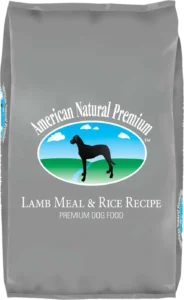
American Natural Premium’s Lamb Meal & Rice Recipe provides high-quality lamb protein with digestible rice, offering complete nutrition without chicken or chicken derivatives.
Duck: Novel Poultry Alternative
Why Duck Stands Out:
Despite being poultry, duck is sufficiently different from chicken that most chicken-allergic dogs tolerate it well:
- Different protein structures than chicken
- Lower cross-reactivity than turkey (which shares more similarities with chicken)
- Naturally rich in omega fatty acids
- Excellent palatability
- Highly digestible
Important Note:
While most chicken-allergic dogs tolerate duck, approximately 10-20% may show cross-reactivity. Always introduce duck cautiously after confirming chicken allergy improvement on a different novel protein first.
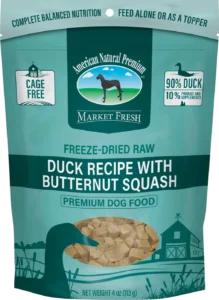
Recommended Option:
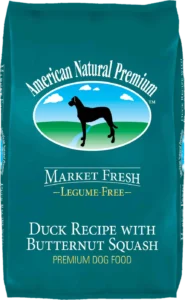
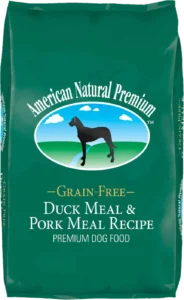
American Natural Premium’s Duck Recipe with Butternut Squash offers novel protein with nutrient-rich butternut squash, providing complete nutrition in a chicken-free formula.
Fish: The Safest Alternative
Why Fish Excels for Allergic Dogs:
Fish proteins offer unique advantages for chicken-allergic dogs:
- Completely unrelated to land-based proteins (no cross-reactivity)
- Highest digestibility of common proteins
- Anti-inflammatory omega-3 fatty acids (EPA and DHA)
- Supports skin healing in allergic dogs
- Excellent for multiple protein allergies
- Reduces allergic inflammation actively
Best Fish Varieties:
- Salmon (wild-caught preferred)
- Whitefish
- Herring
- Menhaden
Recommended Option:
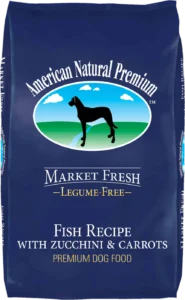
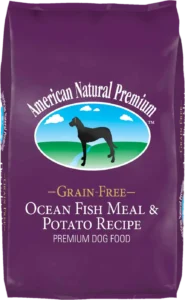
American Natural Premium’s Fish Recipe with Zucchini & Carrots provides easily digestible fish proteins with anti-inflammatory omega-3s, ideal for chicken-allergic dogs with skin issues.
Comprehensive Support for Sensitive Dogs
Beyond Protein: Complete Allergy Management
For dogs with chicken allergies accompanied by sensitive stomachs or multiple sensitivities:
American Natural Premium’s Sensitive Care provides:
- Carefully selected proteins
- Probiotics and prebiotics for digestive support
- Easily digestible ingredients
- Immune system support
- Comprehensive approach to food sensitivities
This formula works particularly well for:
- Dogs with chicken allergies plus sensitive stomachs
- Multiple protein sensitivities
- Inflammatory bowel conditions alongside allergies
- Dogs transitioning between proteins
- Complex allergy cases requiring gentle nutrition
Treats, Supplements, and Complete Chicken Avoidance
The Hidden Challenge: Treats and Extras
Successfully managing chicken allergies requires eliminating chicken from ALL sources, not just main meals:
Training Treats:
- Most commercial treats contain chicken
- Use single-ingredient treats matching your dog’s main protein
- Freeze-dried lamb, duck, or fish treats
- Small pieces of cooked novel protein
- Vegetable treats (carrots, green beans, sweet potato)
Dental Chews:
- Many dental products contain chicken flavoring
- Look for explicitly chicken-free dental chews
- Verify all ingredients, not just primary protein
Supplements:
- Joint supplements may contain chicken cartilage
- Fish oil should be pure fish, not mixed with chicken
- Probiotics should be chicken-free
- Always verify inactive ingredients
Medications:
- Flavored medications often use chicken flavoring
- Request unflavored versions from veterinarians
- Compounding pharmacies can create custom formulations
- Never assume medications are chicken-free
Home-Prepared Additions
Safe Add-Ins for Chicken-Free Diets:
- Plain cooked novel protein (lamb, duck, fish)
- Dog-safe vegetables (carrots, green beans, pumpkin, sweet potato)
- Bone broth from novel proteins (no chicken bones/stock)
- Plain scrambled eggs (if tolerated—separate from chicken allergy)
- Small amounts of plain yogurt (if dairy-tolerated)
Foods to Avoid:
- Any chicken-containing items
- Commercial toppers with chicken
- Human foods prepared with chicken broth/stock
- Rotisserie chicken or chicken drippings
Grain-Free vs. Chicken-Free: Understanding the Difference
They’re Not the Same Thing
Many dog owners confuse grain-free and chicken-free diets:
Grain-Free:
- Eliminates wheat, corn, rice, barley, oats
- May still contain chicken protein
- Addresses grain allergies (relatively uncommon)
- Associated with DCM concerns in some formulations
Chicken-Free:
- Eliminates all chicken proteins
- May contain grains (often beneficial)
- Addresses chicken allergies (very common)
- No DCM association
Do You Need Both?
Most chicken-allergic dogs do NOT need grain-free food:
- Grain allergies are far less common than protein allergies
- Quality grains provide beneficial fiber, vitamins, minerals
- Grain-free formulas often cost more
- DCM concerns make grain-free less desirable unless medically necessary
Choose grain-free only if:
- Confirmed grain allergy through elimination trial
- Symptoms persist on chicken-free diet with grains
- Veterinarian recommends based on specific testing
Start with chicken-free, grain-inclusive:
- Address the more likely allergen (chicken) first
- Maintain beneficial grain nutrients
- More economical approach
- Simpler to find quality options
Life Stages and Chicken-Free Nutrition
Puppies
Growing dogs with chicken allergies need:
- Chicken-free puppy formulas with appropriate calcium levels
- Higher protein and fat for growth
- Balanced calcium and phosphorus for skeletal development
- Multiple small meals daily
Large breed puppies:
- Must use large breed puppy formulas even when chicken-free
- Controlled calcium prevents developmental orthopedic disease
- Steady growth, not rapid growth
Adults
Maintenance nutrition for chicken-allergic adults:
- Appropriate protein levels (22-26% for most breeds)
- Moderate fat content (12-16%)
- Portion control based on activity level
- Consistent feeding schedules
Seniors
Older dogs with chicken allergies benefit from:
- Easily digestible chicken-free proteins
- Joint-supporting ingredients
- Adjusted calories for reduced activity
- Enhanced digestive support
Cost Considerations and Budgeting
Why Chicken-Free Costs More
Factors affecting price:
- Novel proteins (duck, venison, fish) cost more than chicken
- Smaller market demand = less economy of scale
- More specialized manufacturing
- Premium positioning in market
Budget-Friendly Strategies:
- Lamb is typically less expensive than duck or exotic proteins
- Buy larger bags for better per-pound pricing
- Subscribe to auto-delivery for discounts
- Focus on quality ingredients, not marketing claims
Worth the Investment
Consider the costs of NOT managing chicken allergies:
- Recurring veterinary visits for skin/ear infections
- Antibiotic and medication expenses
- Specialty dermatology consultations
- Quality of life impacts
- Long-term health consequences
Quality chicken-free food often costs less than ongoing medical management of uncontrolled allergies.
Transitioning to Chicken-Free Food
The Proper Transition Process
Standard Transition (No Active Allergies): Gradually transition over 7-10 days:
- Days 1-2: 75% old food, 25% new food
- Days 3-4: 50% old food, 50% new food
- Days 5-6: 25% old food, 75% new food
- Days 7+: 100% new food
Elimination Diet Transition (Active Allergies): Cold turkey switch may be necessary:
- Stop chicken-containing food immediately
- Begin novel protein formula
- Expect possible digestive adjustment
- Monitor closely for improvement
What to Expect
First Few Weeks:
- Possible digestive adjustment (loose stools, gas)
- Gradual reduction in itching intensity
- Decreased ear scratching
- Skin may not improve immediately
Weeks 4-8:
- Significant symptom improvement
- Reduced ear infections
- Healing skin, less inflammation
- Improved coat quality
Weeks 8-12:
- Maximum improvement reached
- Skin healed or healing well
- Minimal to no ear problems
- Restored quality of life
Long-Term Management and Maintenance
Staying Chicken-Free for Life
Key Success Factors:
- Vigilant label reading on ALL dog products
- Educating family, friends, visitors
- Having chicken-free treat alternatives available
- Planning ahead for travel
- Establishing emergency protocols
Rotation Diets
Should you rotate proteins?
Arguments for rotation:
- Prevents sensitization to single protein
- Provides nutritional variety
- May prevent new allergy development
Arguments against rotation:
- May increase allergy development risk
- Complicates allergy management if new issues arise
- “If it’s working, don’t fix it” philosophy
Best approach: If your dog thrives on a chicken-free protein, continuing that protein long-term is generally safe and often recommended over rotation.
Chicken-free dog food isn’t a trend or marketing gimmick—it’s a medical necessity for the growing number of dogs with chicken allergies. Successfully managing chicken allergies requires understanding why chicken causes problems, recognizing allergy symptoms, conducting proper elimination trials, selecting truly chicken-free foods, and maintaining strict dietary adherence long-term. The commitment to reading every label, verifying all ingredients, and educating everyone who interacts with your dog pays enormous dividends in restored comfort, healed skin, resolved ear infections, and dramatically improved quality of life. Whether you choose lamb for its established track record, duck for its palatability and omega content, or fish for its anti-inflammatory benefits and superior digestibility, the right chicken-free diet allows your dog to thrive without the protein causing them suffering. With proper knowledge, careful selection, and consistent management, chicken-allergic dogs can live comfortable, healthy lives free from the chronic itching, infections, and discomfort that chicken consumption creates.
The food behind the advice
Every recipe is made in Wisconsin with real meat and wholesome, market-fresh ingredients. Free shipping on orders over $50 in the lower 48, or pick a bag up from a shop near you.


