



















Chicken Allergy in Dogs: Symptoms, Causes, and What to Feed Instead
Chicken stands as one of the most common ingredients in commercial dog food, appearing in countless kibbles, treats, training rewards, and supplements. However, this ubiquity has made chicken one of the top three food allergens affecting dogs today. Understanding chicken allergies in dogs—their symptoms, underlying causes, and appropriate dietary alternatives—is essential for pet owners seeking to restore their dog’s comfort and health after months or years of mysterious itching, ear infections, and digestive problems.
Understanding Chicken Allergies in Dogs
Food allergies occur when a dog’s immune system mistakenly identifies specific proteins as threats, triggering inflammatory responses whenever those proteins are consumed. In the case of chicken allergies, the immune system reacts to various proteins found in chicken meat, creating symptoms that can range from mild discomfort to severe, life-altering conditions.
It’s important to distinguish between chicken allergies (immune system responses) and chicken intolerances (digestive difficulties processing chicken without immune involvement). True allergies involve immune system reactions, while intolerances typically cause only digestive symptoms. Both require dietary changes, but allergies tend to be more serious and persistent.
Why Chicken Allergies Are So Prevalent
Chicken allergies aren’t coincidental—they’re directly linked to exposure frequency. Dogs can only develop allergies to proteins they’ve encountered repeatedly over time. A dog’s immune system needs multiple exposures to a protein before it can become sensitized and begin producing allergic reactions.
Chicken’s overwhelming presence in the pet food industry creates countless sensitization opportunities. Most commercial dog foods use chicken as a primary protein source. Training treats often contain chicken. Dental chews frequently include chicken flavoring. Even some supplements contain chicken-derived ingredients. This constant, prolonged exposure from puppyhood through adulthood creates numerous opportunities for dogs to develop sensitivities.
The processing methods used in dog food create various forms of chicken—fresh chicken, chicken meal, chicken by-products, chicken fat, chicken digest—all containing proteins capable of triggering reactions. Even foods marketed primarily as other proteins may contain chicken fat or flavoring as secondary ingredients, making complete avoidance challenging without vigilant label reading.
Recognizing Chicken Allergy Symptoms
Chicken allergies manifest through various symptoms affecting multiple body systems, with skin problems being the most common and visible presentation:
Skin and Coat Issues: Persistent, intense itching represents the hallmark symptom of chicken allergies. Dogs scratch constantly, particularly affecting the paws, face, ears, belly, armpits, and groin. This relentless scratching leads to hot spots—localized areas of red, inflamed, moist skin that develop rapidly from constant irritation. Hair loss occurs in frequently scratched areas, and the coat may appear dull, dry, or unhealthy despite regular grooming. Some dogs develop hives, rashes, or generalized skin inflammation.
Chronic Ear Infections: Recurring ear infections are classic indicators of food allergies. Dogs with chicken sensitivities develop ear infections that temporarily respond to antibiotics but return shortly after treatment ends. The ears appear red and inflamed internally, produce dark brown or yellow discharge, emit foul odors, and cause dogs to shake their heads persistently or scratch at their ears. The cycle of infection, treatment, temporary relief, and recurrence continues endlessly until the dietary trigger is identified and eliminated.
Paw Problems: Excessive paw licking and chewing is extremely common in chicken-allergic dogs. The constant moisture between toes creates perfect conditions for secondary yeast infections, which add new layers of discomfort to the original allergy. Light-colored dogs often develop brown or rust-colored staining on their paws from saliva, a telltale sign of chronic licking.
Digestive Symptoms: While less common than skin manifestations, some chicken-allergic dogs experience gastrointestinal problems including chronic diarrhea, vomiting, excessive gas, bloating, or irregular bowel movements. Some dogs show increased frequency of bowel movements or signs of abdominal discomfort after eating.
Facial Rubbing: Dogs frequently rub their faces against furniture, carpets, or their paws to relieve itching around the muzzle, eyes, and forehead—areas they can’t scratch effectively with their back feet.
Behavioral Changes: The chronic discomfort from allergies affects behavior and quality of life. Dogs become irritable, restless, or less interested in activities they previously enjoyed. Sleep disturbances from nighttime itching are common, and some dogs develop anxiety or stress responses related to their constant physical discomfort.
Diagnosing Chicken Allergies
Proper diagnosis requires systematic evaluation, as chicken allergy symptoms overlap significantly with environmental allergies, parasites, and various other health conditions:
Elimination Diet Trials: The gold standard for diagnosing food allergies involves feeding a strict diet containing novel proteins (proteins the dog has never eaten or eaten minimally) for 8-12 weeks. During this critical period, absolutely no other foods, treats, flavored medications, chews, or supplements can be given—even tiny amounts can trigger reactions and invalidate the trial.
If symptoms improve significantly during the elimination period, chicken is gradually reintroduced as a “challenge” to confirm it as the allergen. If symptoms return within days or weeks of reintroducing chicken, the diagnosis is confirmed.
Veterinary Evaluation: Working with veterinarians is essential for proper diagnosis. They can rule out other conditions causing similar symptoms—mange mites, yeast infections, bacterial skin infections, hypothyroidism, or environmental allergies—and guide appropriate elimination diet protocols.
Food Diary Documentation: Maintaining detailed records of everything your dog consumes alongside daily symptom observations helps identify patterns and supports diagnostic efforts. Note treat types, meal times, symptom severity, and any environmental changes that might affect symptoms.
Allergy Testing Limitations: While blood tests and intradermal skin testing exist for food allergies, they’re generally less reliable than elimination diets for identifying specific food triggers. These tests work better for environmental allergies than food sensitivities.
What to Feed Dogs with Chicken Allergies
Once chicken allergies are confirmed, management focuses on strict avoidance and transitioning to appropriate alternative proteins:
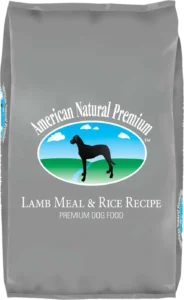
Lamb-Based Diets: Lamb has been successfully used for decades as an alternative for chicken-allergic dogs. American Natural Premium’s Lamb Meal & Rice Recipe provides high-quality lamb protein that’s typically well-tolerated by dogs with poultry sensitivities. Lamb offers complete amino acid profiles with excellent digestibility while being genuinely novel for many dogs.
Duck as a Poultry Alternative: Despite being poultry, duck has sufficiently different protein structures that many chicken-allergic dogs tolerate it successfully. American Natural Premium’s Duck Recipe with Butternut Squash provides novel protein that’s highly palatable and nutritionally complete, making it an excellent choice for dogs who enjoyed poultry flavors but can’t eat chicken.
Fish-Based Formulas: Fish proteins are highly digestible and completely unrelated to land-based proteins, making them extremely safe for chicken-allergic dogs. American Natural Premium’s Fish Recipe with Zucchini & Carrots provides easily digestible fish proteins alongside beneficial omega-3 fatty acids that actively reduce the inflammation associated with allergic reactions while supporting skin healing.
Comprehensive Sensitive Support: For dogs with particularly sensitive systems or multiple allergies beyond just chicken, American Natural Premium’s Sensitive Care provides carefully selected proteins with probiotics and prebiotics supporting both digestive and immune health, addressing the complex needs of highly allergic dogs.
Complete Chicken Avoidance Strategy
Successfully managing chicken allergies requires eliminating all forms of chicken from your dog’s diet:
Read Every Label Carefully: Chicken appears under various names including chicken, chicken meal, chicken by-products, chicken fat, chicken broth, chicken digest, chicken flavoring, and sometimes generic terms like “poultry” or “meat meal.” Verify the source of all ingredients.
Check Treats and Supplements: Many treats, dental chews, and supplements contain chicken or chicken derivatives. Replace all treats with chicken-free alternatives using the same protein as your dog’s main food.
Verify Medications: Some flavored medications contain chicken flavoring. Ask your veterinarian for unflavored alternatives or medications with different flavoring.
Educate Family and Friends: Ensure everyone interacting with your dog understands the severity of the allergy and the importance of never giving unauthorized treats or table scraps.
Timeline for Improvement
Most dogs show noticeable improvement within 4-8 weeks of eliminating chicken from their diets, though some may take the full 12 weeks for complete symptom resolution. Skin healing takes time—even after the allergen is removed, damaged skin requires weeks to heal completely. Secondary infections may need separate treatment even after chicken elimination.
Patience is essential during this transition period. Resist the temptation to “test” whether your dog can tolerate small amounts of chicken—even tiny quantities can trigger reactions in truly allergic dogs.
Conclusion
Chicken allergies in dogs create significant suffering through chronic itching, recurring infections, and persistent discomfort. However, these allergies are entirely manageable with proper diagnosis through elimination diets and strict dietary adherence to chicken-free nutrition. By recognizing symptoms early, pursuing systematic diagnosis, and transitioning to appropriate alternative proteins like lamb, duck, or fish, chicken-allergic dogs can return to comfortable, symptom-free lives. The commitment to reading labels vigilantly and maintaining strict dietary protocols pays enormous dividends in improved quality of life, reduced veterinary expenses, and the peace of mind that comes from seeing your dog finally comfortable and thriving.
The food behind the advice
Every recipe is made in Wisconsin with real meat and wholesome, market-fresh ingredients. Free shipping on orders over $50 in the lower 48, or pick a bag up from a shop near you.


