

Chicken-Free vs. Limited Ingredient Dog Food: What’s the Difference?
When navigating food allergies in dogs, two terms appear repeatedly in conversations and on product labels: “chicken-free” and “limited ingredient.” Many dog owners use these terms interchangeably, assuming they mean the same thing. However, these are distinct concepts addressing different dietary needs, and understanding the difference is crucial for making informed decisions about your allergic dog’s nutrition.
Defining Chicken-Free Dog Food
Chicken-free dog food is exactly what it sounds like – any formula that contains no chicken or chicken-derived ingredients. This includes eliminating:
- Chicken meat (fresh, frozen, or dehydrated)
- Chicken meal or chicken by-product meal
- Chicken fat
- Chicken broth or stock
- Chicken digest or flavoring
- Any ingredient derived from chicken
Importantly, chicken-free doesn’t describe the overall ingredient complexity of a formula. A chicken-free food might contain dozens of ingredients – multiple protein sources, various grains, numerous vegetables, and various supplements – as long as none of them originate from chicken. The sole defining characteristic is the complete absence of chicken-derived components.
Who needs chicken-free food:
- Dogs with confirmed chicken allergies
- Dogs with suspected chicken sensitivities showing skin or ear problems
- Dogs undergoing elimination diets to identify chicken as a trigger
- Dogs whose symptoms resolved when chicken was removed from their diet
Defining Limited Ingredient Dog Food
Limited ingredient dog food (LID) refers to formulas deliberately simplified to contain a minimal number of ingredients, typically featuring:
- One primary protein source
- One or two carbohydrate sources
- Minimal additional ingredients beyond essential vitamins and minerals
The philosophy behind limited ingredient diets is straightforward: fewer ingredients mean fewer potential allergens, making it easier to identify triggers and reduce the likelihood of reactions. A true limited ingredient formula might contain as few as 8-12 total ingredients compared to 30-40 in standard formulas.
Who benefits from limited ingredient food:
- Dogs with multiple food allergies or sensitivities
- Dogs undergoing elimination diet trials
- Dogs whose specific allergens haven’t been identified yet
- Dogs with chronic allergic reactions not responding to standard foods
The Critical Distinction
Here’s where many owners get confused: chicken-free and limited ingredient are completely separate characteristics that may or may not coexist in the same formula.
Consider these scenarios:
Chicken-Free but NOT Limited Ingredient: A lamb and rice formula containing 35 ingredients including multiple grains, vegetables, supplements, and various fat sources. No chicken, but highly complex.
Limited Ingredient but NOT Chicken-Free: A formula containing only chicken, sweet potato, and essential vitamins. Extremely simple, but completely inappropriate for chicken-allergic dogs.
Both Chicken-Free AND Limited Ingredient: A formula containing duck, a single carbohydrate source, and essential nutrients only. Addresses both complexity and chicken elimination simultaneously.
Neither: Standard commercial dog food containing chicken alongside numerous other ingredients.
When You Need Chicken-Free Only
If your dog has a confirmed, isolated chicken allergy but tolerates other proteins and ingredients well, chicken-free food without limited ingredient restrictions may be perfectly appropriate. Many chicken-allergic dogs thrive on complex formulas as long as every ingredient is chicken-free.
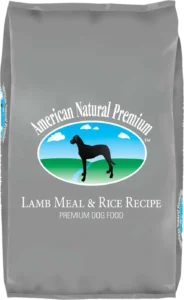
American Natural Premium’s Lamb Meal & Rice Recipe provides an excellent chicken-free option with wholesome ingredients that most dogs tolerate well. For dogs with straightforward chicken allergies and no other sensitivities, this type of formula provides complete nutrition without unnecessary dietary restrictions.
When You Need Limited Ingredient Only
Dogs with allergies to less common proteins or specific ingredients may need limited ingredient formulas containing chicken. However, given chicken’s status as one of the top three allergens, limited ingredient foods containing chicken are generally less useful than those without it.
When You Need Both
Dogs with multiple food allergies – particularly those sensitive to chicken alongside other proteins or ingredients – benefit most from formulas that are simultaneously chicken-free and limited ingredient. This combination:
- Eliminates the most common allergen (chicken)
- Reduces overall ingredient exposure
- Simplifies trigger identification
- Minimizes cumulative allergic load
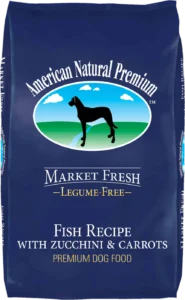
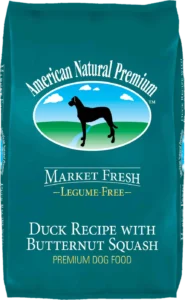
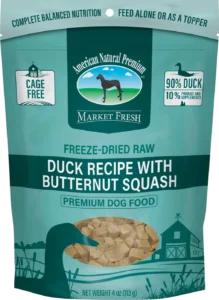
For dogs needing this combined approach, American Natural Premium’s Duck Recipe with Butternut Squash and American Natural Premium’s Fish Recipe with Zucchini & Carrots provide novel proteins in clean, simplified formulas addressing both requirements simultaneously.
For dogs with the most complex allergy profiles, American Natural Premium’s Sensitive Care offers carefully selected proteins with probiotics supporting immune and digestive health, addressing multiple sensitivities comprehensively.
Practical Decision Framework
Use this straightforward approach to determine what your dog needs:
Does your dog have confirmed chicken allergy?
- Yes → Chicken-free is essential regardless of other factors
Does your dog react to multiple ingredients?
- Yes → Limited ingredient reduces overall allergen exposure
Are your dog’s specific triggers unidentified?
- Yes → Combined chicken-free AND limited ingredient simplifies diagnosis
Has your dog failed multiple elimination diets?
- Yes → True limited ingredient with novel protein is necessary
Reading Labels for Both Characteristics
When evaluating formulas for both chicken-free and limited ingredient status:
Check for chicken-free status:
- Scan every ingredient for chicken derivatives
- Verify fat sources aren’t chicken fat
- Confirm broth or flavoring sources
- Contact manufacturers if ingredients are ambiguous
Evaluate ingredient complexity:
- Count total ingredients
- Identify number of protein sources
- Note carbohydrate variety
- Look for unnecessary fillers or additives
Chicken-free and limited ingredient dog foods serve different but sometimes overlapping purposes. Chicken-free addresses the specific allergen most commonly causing problems in dogs, while limited ingredient reduces overall dietary complexity for dogs with multiple sensitivities or unidentified triggers. Many dogs need only one approach, while others benefit from formulas combining both characteristics. Understanding which category your dog actually needs – based on confirmed allergies and individual response rather than assumptions – ensures appropriate nutrition without unnecessary restrictions. When in doubt, start with chicken-free and add limited ingredient restrictions only if symptoms persist despite eliminating chicken from your dog’s diet.
The food behind the advice
Every recipe is made in Wisconsin with real meat and wholesome, market-fresh ingredients. Free shipping on orders over $50 in the lower 48, or pick a bag up from a shop near you.


