
Pea-Free Dog Food: Understanding the Importance of Legume-Free Nutrition
The dog food industry has undergone significant scrutiny in recent years as research emerges linking certain ingredients to serious health conditions. Among the most discussed topics is the potential connection between legumes – particularly peas, lentils, and chickpeas – and dilated cardiomyopathy (DCM) in dogs. Understanding pea-free and legume-free dog food, why it matters, and which dogs benefit most from avoiding these ingredients has become increasingly important for informed pet owners making nutritional decisions for their companions.
What Are Legumes and Why Are They in Dog Food?
Legumes are a family of plants producing seeds in pods, including:
- Peas (green peas, split peas, pea protein, pea flour, pea fiber)
- Lentils (red, green, brown, black)
- Chickpeas (garbanzo beans)
- Soybeans
- Beans (black beans, kidney beans, navy beans)
Legumes entered dog food in large quantities primarily as a consequence of the grain-free diet trend that gained enormous popularity in the early 2010s. When dog food manufacturers removed grains to meet consumer demand for grain-free products, they needed alternative carbohydrate and fiber sources. Legumes filled this role perfectly – they’re inexpensive, provide significant fiber and protein content, and allowed manufacturers to list impressive protein percentages on labels, partially because pea protein contributes to total protein measurements.
However, the heavy reliance on legumes as grain replacements has created nutritional concerns that pet owners and veterinarians are increasingly taking seriously.
The DCM Connection: What the Research Shows
In July 2018, the FDA announced it was investigating a potential link between grain-free diets heavy in legumes and dilated cardiomyopathy (DCM) in dogs. DCM is a serious heart condition causing the heart muscle to weaken and enlarge, reducing its ability to pump blood effectively. Previously considered primarily a genetic condition affecting certain breeds, DCM began appearing in breeds not genetically predisposed when fed diets high in legumes.
Key findings from the investigation:
- Cases involved dogs eating diets where peas, lentils, and other legumes appeared in the first five ingredients
- DCM appeared in breeds not historically prone to the condition, including Golden Retrievers, Labrador Retrievers, and mixed breeds
- Some affected dogs showed taurine deficiency alongside DCM
- Cases improved in some dogs when diets were changed and taurine was supplemented
- The investigation implicated high legume content rather than grain-free status specifically
Who Benefits Most from Pea-Free and Legume-Free Dog Food
While reducing legume intake may benefit all dogs, certain groups have particularly compelling reasons to avoid these ingredients:
Breeds Predisposed to DCM: Golden Retrievers, Doberman Pinschers, Great Danes, Boxers, Irish Wolfhounds, and Cocker Spaniels have higher DCM rates. These breeds should particularly avoid high-legume diets.
Dogs with Heart Conditions: Any dog with existing cardiac issues should avoid ingredients potentially compromising heart health further.
Dogs Showing Taurine Deficiency: Dogs diagnosed with low taurine levels benefit from legume-free diets supporting taurine synthesis and absorption.
Dogs with Legume Sensitivities: Some dogs develop digestive sensitivities or allergies to legumes, experiencing bloating, gas, or digestive upset from pea-heavy foods.
Dogs on Long-Term Grain-Free Diets: Dogs who’ve eaten grain-free, legume-heavy diets for extended periods may benefit from transitioning to legume-free alternatives.
Understanding Legume Content in Dog Food Labels
Identifying high-legume content requires careful label reading:
Obvious Legume Ingredients:
- Peas
- Green peas
- Split peas
- Lentils
- Chickpeas
- Garbanzo beans
- Soybeans
Hidden Legume Forms:
- Pea protein (highly concentrated, often appears early in ingredient lists)
- Pea flour
- Pea fiber
- Pea starch
- Lentil flour
- Soy protein isolate
- Soy flour
The Positioning Rule: Ingredients appearing in the first five positions on ingredient lists are present in the highest quantities. Legumes appearing multiple times in different forms (peas AND pea protein AND pea fiber) represent particularly high total legume content despite appearing separately on labels.
The Case for Traditional Grain-Based Alternatives
The evidence surrounding legumes has rehabilitated the reputation of traditional grain-based dog foods for many pet owners and veterinary professionals. Quality grains including brown rice, oats, and barley provide:
Digestible Carbohydrates: Dogs digest quality grains efficiently, converting them to energy without the concerns associated with legume-based carbohydrates.
Taurine-Supporting Nutrition: Traditional grain-based diets don’t interfere with taurine synthesis and absorption the way high-legume diets appear to in some dogs.
Established Safety Record: Grain-based dog foods have decades of safe feeding history without the cardiac concerns emerging from legume-heavy formulas.
Nutritional Balance: Quality grains contribute vitamins, minerals, and fiber supporting overall health without displacing heart-healthy nutrients.
American Natural Premium’s Legume-Free Commitment
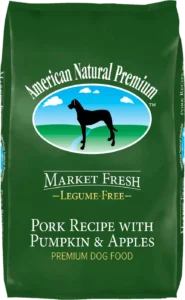
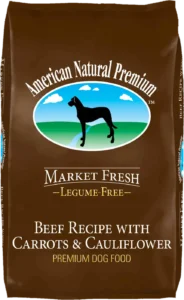
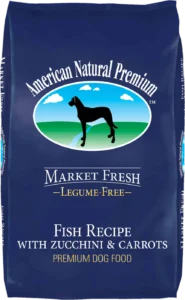
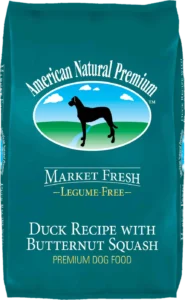
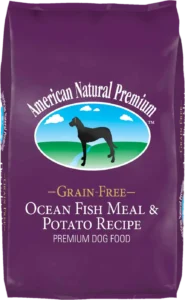
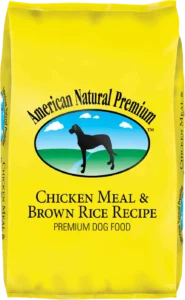
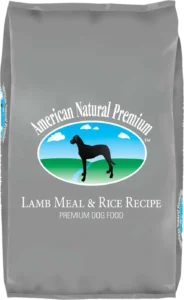
American Natural Premium takes the legume-free issue seriously, offering formulas specifically designed without peas, lentils, or other legumes that have been associated with DCM concerns.
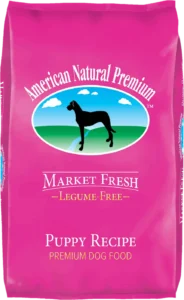
The Legume-Free Puppy Recipe provides growing dogs with complete nutrition from their very first meals without exposing developing hearts to potentially problematic ingredients. Starting puppies on legume-free nutrition establishes healthy dietary foundations before any sensitization or long-term dietary patterns develop.
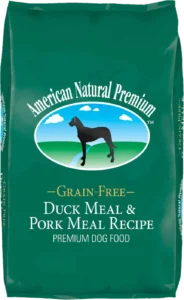
For adult dogs requiring legume-free nutrition with alternative protein profiles, the Grain-Free Duck Meal and Pork Meal Recipe offers a unique approach – grain-free nutrition without the legume fillers that have raised cardiac concerns. This formula demonstrates that dogs can enjoy grain-free nutrition without the heavy pea and lentil content driving DCM investigations.
What distinguishes American Natural Premium’s approach is the commitment to formulating without shortcuts. Rather than replacing grains with cheap legume fillers, their formulas rely on quality proteins and thoughtfully selected ingredients that provide genuine nutrition without compromising cardiac health. Every formula includes probiotics and prebiotics supporting digestive health, ensuring dogs receive comprehensive nutritional support beyond just protein and carbohydrates.
Transitioning to Pea-Free Dog Food
When moving dogs from legume-heavy to legume-free formulas:
Transition Gradually: Mix increasing amounts of the new food with decreasing amounts of the old food over 10-14 days to prevent digestive upset.
Monitor Carefully: Watch for changes in energy, coat quality, digestive health, and overall wellbeing during and after transition.
Cardiac Monitoring: Dogs who’ve eaten high-legume diets for extended periods, particularly DCM-predisposed breeds, may benefit from cardiac evaluation before and after dietary transitions.
Taurine Support: Discuss taurine supplementation with your veterinarian if your dog has eaten high-legume diets long-term, particularly if they show any cardiac symptoms.
Patience: Some benefits of transitioning to legume-free nutrition – particularly cardiac improvements – take weeks or months to become apparent.
Reading Marketing Claims Critically
The pet food industry uses various marketing tactics that obscure legume content:
“Protein-Rich” Claims: High protein percentages in grain-free foods often reflect pea protein content rather than meat protein. Always verify that named meat sources – not plant proteins – drive protein content.
“Natural” Labels: Natural doesn’t mean legume-free. Many naturally formulated foods contain significant pea and lentil content.
“Limited Ingredient” Marketing: Some limited ingredient diets use peas or lentils as primary carbohydrate sources despite having few total ingredients.
Ingredient Splitting: Manufacturers sometimes list peas, pea protein, pea fiber, and pea flour separately, making total pea content appear lower than it actually is when ingredients are considered individually.
The emerging research connecting high-legume diets to DCM has fundamentally changed how many veterinarians and informed pet owners think about dog food formulation. While research continues and definitive causal relationships remain under investigation, the evidence is compelling enough that avoiding diets featuring legumes prominently – particularly peas, lentils, and chickpeas in large quantities – represents a prudent choice for most dogs. American Natural Premium’s legume-free options provide alternatives demonstrating that quality, complete nutrition doesn’t require the heavy legume content that has raised serious cardiac concerns. By choosing thoughtfully formulated legume-free foods, dog owners can provide comprehensive nutrition supporting both immediate health needs and long-term cardiac wellbeing for their beloved companions.
The food behind the advice
Every recipe is made in Wisconsin with real meat and wholesome, market-fresh ingredients. Free shipping on orders over $50 in the lower 48, or pick a bag up from a shop near you.


