Can Dogs Be Allergic to Lamb? Understanding This Novel Protein Sensitivity
Lamb has long been the go-to alternative protein for dogs with food allergies, recommended by veterinarians for decades as a hypoallergenic solution for chicken and beef-sensitive dogs. Its reputation as a “safe” protein for allergic dogs is well-established and largely deserved. However, as lamb becomes increasingly common in commercial dog foods and treats, a growing number of dogs are developing sensitivities to this once-reliable alternative. Understanding whether dogs can be allergic to lamb, how these allergies develop, and what to feed lamb-allergic dogs is essential for owners navigating complex food sensitivities.
Can Dogs Actually Be Allergic to Lamb?
Yes, dogs can absolutely develop allergies to lamb, though it remains less common than allergies to chicken or beef. Like all food allergies, lamb sensitivities develop through repeated exposure over time. A dog’s immune system needs multiple encounters with a protein before it can become sensitized, and once sensitization occurs, the immune system begins identifying lamb proteins as threats and triggering inflammatory responses whenever lamb is consumed.
The increasing prevalence of lamb in commercial dog foods has created more opportunities for sensitization than existed decades ago when lamb was genuinely rare in pet nutrition. Today, lamb appears in numerous mainstream formulas, treats, dental chews, and supplements, meaning dogs who consume lamb-based products regularly throughout their lives have significant sensitization opportunities.
Why Lamb Was Considered Hypoallergenic
Understanding lamb’s hypoallergenic reputation requires context. When veterinarians began recommending lamb for allergic dogs decades ago, the protein was genuinely novel for most dogs. At the time, chicken and beef dominated commercial dog food, meaning most dogs had never consumed lamb. The “novelty” of lamb made it unlikely that dogs’ immune systems had developed reactions to it.
The key insight is that no protein is inherently hypoallergenic – proteins are only “hypoallergenic” relative to individual dogs’ dietary histories. Lamb worked brilliantly for allergic dogs in the 1980s and 1990s precisely because dogs hadn’t eaten it before. As lamb became mainstream in commercial pet food throughout the 2000s and 2010s, its novelty status eroded, and cases of lamb allergies began emerging with increasing frequency.
This evolution illustrates an important truth about food allergies: the concept of “hypoallergenic” proteins is relative, not absolute. Any protein can become an allergen given sufficient repeated exposure.
How Lamb Allergies Develop
Lamb allergies develop through the same sensitization process as all food allergies:
Initial Exposure: A dog consumes lamb for the first time without any allergic reaction. The immune system notes the presence of lamb proteins but doesn’t yet identify them as threats.
Repeated Exposure: Through continued lamb consumption, the immune system encounters lamb proteins repeatedly. In some dogs, particularly those genetically predisposed to allergies, the immune system begins producing antibodies against lamb proteins.
Sensitization: After sufficient exposure, the immune system becomes sensitized to lamb proteins, identifying them as harmful invaders requiring immune response.
Allergic Reaction: Upon subsequent lamb consumption, the sensitized immune system immediately recognizes lamb proteins and triggers inflammatory responses causing allergic symptoms.
This process can take months or years, explaining why dogs can eat lamb-based foods for extended periods before suddenly developing reactions that seem to appear from nowhere.
Recognizing Lamb Allergy Symptoms
Lamb allergy symptoms mirror those of other food allergies, primarily manifesting through skin problems and ear issues:
Skin Manifestations:
- Persistent itching affecting paws, face, ears, belly, and groin
- Hot spots developing from constant scratching and licking
- Red, inflamed skin or rashes
- Recurring skin infections requiring antibiotic treatment
- Hair loss in frequently scratched areas
- Dull, unhealthy coat despite good grooming
Ear Problems:
- Chronic ear infections that return after treatment
- Dark discharge, redness, and foul odors from ears
- Constant head shaking or ear scratching
- Painful, sensitive ears
Paw Issues:
- Excessive paw licking and chewing
- Brown staining on paws from saliva
- Yeast infections between toes from constant moisture
Digestive Symptoms:
- Chronic diarrhea or loose stools
- Vomiting after meals
- Excessive gas or bloating
- Abdominal discomfort
Behavioral Changes:
- Irritability or restlessness from chronic discomfort
- Sleep disturbances from nighttime itching
- Decreased interest in normal activities
Diagnosing Lamb Allergies
Properly diagnosing lamb allergies requires the same systematic approach used for all food allergies:
Elimination Diet Trial: The gold standard involves completely removing lamb from the diet for 8-12 weeks while feeding a novel protein the dog hasn’t previously consumed. During this period, absolutely no lamb-containing foods, treats, or supplements can be given. If symptoms improve significantly, lamb is reintroduced to confirm it as the trigger. Return of symptoms upon lamb reintroduction confirms the allergy.
Complete Lamb Elimination: Before concluding a dog is lamb-allergic, ensure all lamb sources are truly eliminated. Lamb appears in various forms including lamb meal, lamb by-products, dehydrated lamb, and sometimes generic “meat” ingredients that may include lamb.
Veterinary Evaluation: Work with veterinarians to rule out other conditions causing similar symptoms, including environmental allergies, parasites, yeast infections, and other health conditions.
Distinguishing True Allergy from Intolerance: Some dogs experience digestive upset from lamb without true immune system involvement. True allergies typically cause skin symptoms alongside or instead of digestive issues, while intolerances usually manifest only digestively.
Cross-Reactivity Considerations
Dogs allergic to lamb may occasionally show cross-reactivity with other ruminant proteins:
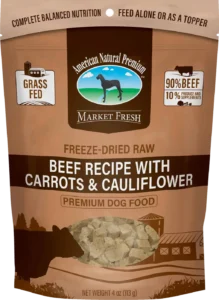
Beef: Both lamb and beef are ruminant red meats sharing similar protein structures. Some lamb-allergic dogs also react to beef, though this isn’t universal. Dogs who developed beef allergies before lamb allergies may have higher cross-reactivity rates.
Venison: Another ruminant, venison shares some protein similarities with lamb. Cross-reactivity is possible though less common than with beef.
Goat: Very similar to lamb biologically, goat meat has higher cross-reactivity potential with lamb than other proteins.
Non-Ruminant Proteins: Fish, duck, chicken, turkey, and pork are unrelated to ruminant proteins, making cross-reactivity with lamb allergies extremely unlikely.
What to Feed Dogs Allergic to Lamb
When lamb allergies are confirmed, selecting appropriate alternative proteins becomes the priority:
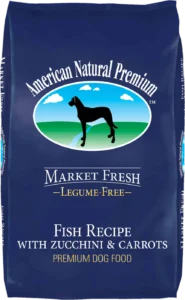
Fish-Based Formulas: Fish proteins represent perhaps the best alternative for lamb-allergic dogs. Completely unrelated to land-based proteins, fish eliminates cross-reactivity concerns while providing highly digestible protein and anti-inflammatory omega-3 fatty acids that help reduce allergic inflammation. American Natural Premium’s Fish Recipe with Zucchini & Carrots offers these benefits in a balanced formula gentle on sensitive systems.
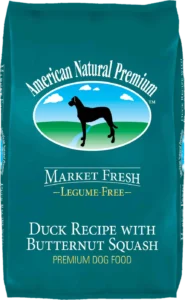
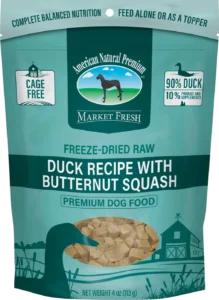
Duck-Based Diets: Duck provides an excellent alternative protein completely unrelated to ruminant proteins. Many lamb-allergic dogs tolerate duck exceptionally well, as duck’s protein structure differs significantly from lamb. American Natural Premium’s Duck Recipe with Butternut Squash provides novel duck protein with naturally omega-rich nutrition supporting skin health during allergy recovery.
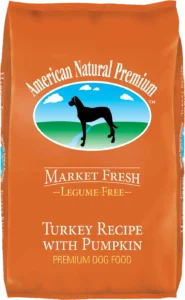
Turkey-Based Options: Turkey provides another non-ruminant alternative with no cross-reactivity concerns with lamb. American Natural Premium’s Turkey Recipe with Pumpkin offers complete nutrition from a protein source completely unrelated to lamb’s ruminant structure.
Sensitive Care Support: For dogs with lamb allergies accompanied by particularly sensitive systems or multiple sensitivities, American Natural Premium’s Sensitive Care provides carefully selected proteins with probiotics and prebiotics supporting digestive and immune health throughout the transition away from lamb.
Managing Hidden Lamb Sources
Successfully eliminating lamb requires vigilant label reading, as lamb appears in various forms:
Obvious Lamb Sources:
- Lamb or lamb meat
- Lamb meal
- Lamb by-product meal
- Dehydrated lamb
- Lamb liver or organs
Less Obvious Sources:
- Generic “meat meal” (may include lamb)
- “Novel protein” treats that use lamb as the alternative
- Some joint supplements containing lamb cartilage
- Certain dental chews marketed as lamb-flavored
Lamb-allergic dogs require the same label vigilance as chicken or beef-allergic dogs, scanning every ingredient on every product before offering it.
Prevention and Long-Term Management
Protein Rotation Considerations: For dogs currently tolerating lamb without allergies, some veterinary nutritionists recommend protein rotation to prevent sensitization from developing. By periodically rotating between high-quality proteins, dogs avoid the constant repeated exposure that leads to sensitization.
Early Intervention: If symptoms suggesting lamb allergies develop, address them promptly rather than waiting. Early dietary intervention prevents secondary infections and worsening sensitization that makes allergies increasingly difficult to manage.
Treat Management: Replace lamb-based treats immediately when lamb allergies are suspected. Train family members to offer only approved proteins and keep lamb-free treat options readily available for training and rewards.
Environmental Awareness: Lamb appears in some pet environments beyond food – certain pet beds use wool, and some grooming products contain lanolin (a sheep-derived ingredient). While topical exposure rarely causes the same reactions as ingestion, highly sensitive dogs may benefit from avoiding lamb-derived products entirely.
While lamb has earned its reputation as a hypoallergenic protein for allergic dogs, the reality is that any protein can become an allergen with sufficient repeated exposure. As lamb has become increasingly mainstream in commercial pet nutrition, lamb allergies have emerged as a genuine concern for some dogs who’ve relied on this protein for years. Recognizing that lamb allergies are possible, identifying symptoms early, and transitioning to truly novel alternative proteins like fish, duck, or turkey allows previously lamb-dependent allergic dogs to find new dietary solutions supporting their health and comfort. The good news is that high-quality, palatable alternatives exist that provide complete nutrition without lamb, ensuring that dogs who develop this sensitivity can still enjoy comfortable, symptom-free lives with the right dietary adjustments.
The food behind the advice
Every recipe is made in Wisconsin with real meat and wholesome, market-fresh ingredients. Free shipping on orders over $50 in the lower 48, or pick a bag up from a shop near you.


