





Why Do Old Dogs Stop Eating? Understanding Appetite Loss in Senior Dogs
Few things alarm dog owners more than watching a previously enthusiastic eater suddenly lose interest in food. When this happens in older dogs, the concern deepens because appetite loss in seniors can signal anything from minor digestive upset to serious underlying health conditions. Understanding the common reasons why old dogs stop eating helps owners respond appropriately – distinguishing situations requiring immediate veterinary attention from those manageable with dietary adjustments and patience.
Normal vs. Concerning Appetite Changes
First, it’s important to distinguish between gradual, modest appetite reduction and sudden, significant food refusal. Senior dogs naturally experience some decrease in appetite as their metabolisms slow and energy requirements decrease. A dog eating slightly less than they did at three years old isn’t necessarily cause for alarm. However, a dog who suddenly stops eating entirely, loses significant interest in food over days or weeks, or shows appetite loss alongside other symptoms warrants prompt veterinary evaluation.
Dental Pain and Oral Disease
One of the most common and frequently overlooked reasons older dogs stop eating is oral pain. Gum disease, tooth root abscesses, broken teeth, and oral tumors all create significant discomfort that makes eating painful rather than pleasurable. Dogs instinctively hide pain, so owners often don’t realize their dog has a serious dental problem until food refusal prompts investigation.
Signs pointing toward dental causes include reluctance to eat hard kibble while still accepting soft food, chewing on one side of the mouth, dropping food while eating, or flinching when the face is touched. A veterinary dental examination often reveals significant disease explaining what appeared to be a mysterious appetite problem.
Kidney Disease
Chronic kidney disease (CKD) is extremely common in senior dogs and frequently causes appetite loss as one of its primary symptoms. As kidney function declines, waste products accumulate in the bloodstream, creating nausea and general malaise that suppresses appetite. Dogs with CKD may also develop mouth ulcers from uremic toxin accumulation, making eating physically uncomfortable.
Other signs suggesting kidney disease include increased thirst and urination, weight loss, lethargy, and vomiting. Veterinary bloodwork and urinalysis identify kidney disease definitively, allowing dietary management to begin.
Gastrointestinal Issues
The digestive system changes significantly with age. Senior dogs produce fewer digestive enzymes, experience slower gastrointestinal motility, and may develop various GI conditions including inflammatory bowel disease, gastroenteritis, or intestinal tumors. These conditions cause nausea, discomfort, and appetite suppression.
GI-related appetite loss often accompanies vomiting, diarrhea, or changes in stool quality. For seniors with sensitive digestive systems, transitioning to easily digestible, high-quality foods with digestive support ingredients like probiotics can make meals more comfortable and appealing.
Liver Disease
The liver plays crucial roles in digestion, metabolism, and toxin processing. As liver function declines with age or disease, nausea, jaundice, and appetite loss frequently develop. Liver disease in senior dogs often requires dietary modification alongside medical management.
Pain from Arthritis or Other Conditions
Systemic pain from arthritis, cancer, or other painful conditions suppresses appetite in senior dogs. A dog experiencing significant joint pain may associate the physical effort of walking to their food bowl, bending down to eat, or standing through a meal with discomfort, gradually avoiding feeding time altogether.
Elevated food bowls can help arthritic seniors eat more comfortably, reducing neck and joint strain during meals.
Cognitive Dysfunction
Canine Cognitive Dysfunction (CCD), the dog equivalent of dementia, affects a significant percentage of senior dogs and can cause confusion around feeding routines. Dogs with CCD may forget where their food bowl is located, lose interest in food due to neurological changes, or experience altered taste and smell perception reducing food appeal.
Medications and Medical Treatments
Many medications commonly prescribed to senior dogs list appetite suppression as a side effect. Antibiotics, pain medications, chemotherapy, and various other treatments can reduce appetite temporarily or persistently. If appetite loss coincides with starting a new medication, discuss alternatives or appetite support strategies with your veterinarian.
Sensory Decline
Older dogs experience declining senses of smell and taste, which significantly affects food appeal. Dogs rely heavily on smell to stimulate appetite – food that smells less interesting simply becomes less motivating. Adding warm water to kibble enhances aroma, sometimes rekindling interest in food that has become bland to aging senses.
What to Do When Your Senior Dog Stops Eating
Veterinary Evaluation First: Any appetite loss lasting more than 24-48 hours in a senior dog warrants veterinary attention to rule out serious underlying conditions.
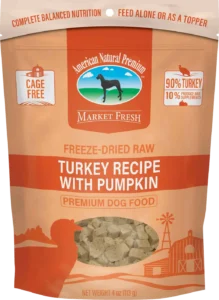
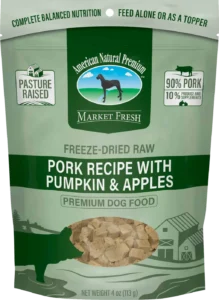
Dietary Adjustments: Transitioning to more palatable, easily digestible formulas designed for sensitive systems can help seniors who’ve lost enthusiasm for their current food. High-quality proteins in digestible formats appeal to aging senses while supporting the muscle maintenance senior dogs need.
Warming Food: Gently warming food to body temperature releases aromas that stimulate appetite in dogs whose smell has declined.
Feeding Environment: Quiet, comfortable feeding spaces away from household stress support appetite in anxious or cognitively declining seniors.
Smaller, More Frequent Meals: Reducing meal size while increasing frequency can help seniors with nausea or digestive discomfort eat enough throughout the day without overwhelming their systems.
Appetite loss in senior dogs is rarely without cause, and identifying the underlying reason is essential for appropriate response. While some causes are simple and manageable with dietary adjustments, others signal serious conditions requiring prompt medical attention. When your old dog stops eating, treating it as a meaningful symptom rather than normal aging quirk and seeking veterinary guidance ensures whatever is driving the change gets addressed before it significantly impacts their health and quality of life.
The food behind the advice
Every recipe is made in Wisconsin with real meat and wholesome, market-fresh ingredients. Free shipping on orders over $50 in the lower 48, or pick a bag up from a shop near you.


