

Senior Dog Food: A Complete Guide to Nutrition for Aging Dogs
As dogs age, their nutritional needs change significantly. The food that kept your dog thriving at two or three years old may no longer provide the optimal nutrition they need at eight, ten, or twelve years of age. Understanding how to feed senior dogs properly – what nutrients they need more of, what should be reduced, and how to recognize signs that dietary changes are needed – is one of the most important things you can do to support your dog’s health, comfort, and quality of life in their golden years.
When Does a Dog Become a “Senior”?
The answer varies significantly by size and breed:
- Small breeds (under 20 lbs): Senior status around 10-12 years
- Medium breeds (20-50 lbs): Senior status around 8-10 years
- Large breeds (50-90 lbs): Senior status around 7-8 years
- Giant breeds (90+ lbs): Senior status as early as 5-6 years
This variation exists because larger dogs age faster than smaller ones. A Great Dane at 7 years old is physiologically much older than a Chihuahua at the same age. Understanding when your specific dog enters their senior years helps you proactively adjust their nutrition before age-related decline becomes obvious.
How a Senior Dog’s Nutritional Needs Change
Protein Requirements
One of the most pervasive myths in senior dog nutrition is that older dogs need less protein. In reality, research increasingly shows that healthy senior dogs need equal or even higher quality protein than younger adults. Here’s why:
Muscle Mass Preservation: Aging dogs naturally lose muscle mass through a process called sarcopenia. High-quality protein helps slow this loss, preserving the strength and mobility essential for quality of life.
Reduced Protein Efficiency: Older dogs metabolize protein less efficiently than younger dogs, meaning they need high-quality, highly digestible protein sources to extract adequate amino acids from their food.
Immune Function: Protein supports immune system function, which becomes increasingly important as dogs age and their natural immune defenses weaken.
The key distinction is protein quality rather than quantity. Senior dogs benefit from highly digestible, named protein sources rather than generic by-products, ensuring their aging digestive systems can efficiently utilize what they consume.
Fat and Caloric Needs
While protein needs remain high or increase, caloric needs often decrease for senior dogs due to:
- Reduced activity levels
- Slower metabolism
- Decreased ability to regulate body temperature (requiring less caloric energy)
- Reduced muscle mass (muscle burns more calories than fat)
Most senior dogs need 20-30% fewer calories than their younger adult selves. However, this varies considerably – very active seniors may need similar calories to their adult counterparts, while sedentary or mobility-limited dogs may need significant reductions.
Joint-Supporting Nutrients
Joint health becomes critically important as dogs age. Key nutrients supporting joint function include:
Glucosamine and Chondroitin: Natural compounds supporting cartilage health and joint fluid production. Many senior dogs benefit from foods containing these ingredients or supplementation.
Omega-3 Fatty Acids: Particularly EPA and DHA from fish sources, these provide powerful anti-inflammatory benefits reducing joint pain and supporting mobility.
Vitamin E: An antioxidant supporting joint health and reducing oxidative damage contributing to arthritis progression.
Digestive Health
Senior dogs often experience decreased digestive efficiency due to:
- Reduced enzyme production
- Changes in gut microbiome composition
- Slower gastrointestinal motility
- Decreased stomach acid production
These changes make highly digestible foods and digestive support ingredients like probiotics and prebiotics particularly valuable for older dogs.
Kidney Health
Kidney function naturally declines with age in many dogs. While severe kidney disease requires prescription diets, maintaining appropriate protein quality and hydration supports kidney health in aging dogs without diagnosed disease. Avoiding excessive phosphorus while maintaining adequate high-quality protein balances kidney support with muscle preservation.
Cognitive Function
Canine Cognitive Dysfunction (CCD), similar to Alzheimer’s disease in humans, affects a significant percentage of senior dogs. Certain nutrients support brain health:
- DHA: Essential omega-3 fatty acid supporting neurological function
- Antioxidants: Vitamins C and E reducing oxidative brain damage
- Medium-chain triglycerides (MCTs): Provide alternative energy sources for aging brains
Dental Health
Many senior dogs experience dental disease that affects their ability to eat comfortably. Kibble size, texture, and shape become increasingly important as dental health declines. Some senior dogs may need softer foods or moistened kibble if dental disease makes eating painful.
Common Health Conditions Affecting Senior Dog Nutrition
Arthritis and Joint Disease
The most common condition affecting senior dogs, arthritis requires:
- Maintaining ideal body weight to reduce joint stress
- Anti-inflammatory nutrients (omega-3 fatty acids)
- Joint-supporting ingredients (glucosamine, chondroitin)
- Moderate, consistent exercise alongside appropriate nutrition
Obesity
Overweight senior dogs face dramatically increased risks of joint problems, heart disease, diabetes, and shortened lifespan. Managing weight becomes increasingly important as metabolism slows. Reduced-calorie formulas with maintained protein levels support weight management without muscle loss.
Kidney Disease
Chronic kidney disease (CKD) is extremely common in senior dogs, requiring:
- Controlled phosphorus levels
- Maintained high-quality protein (contrary to older guidelines recommending protein restriction)
- Increased hydration through wet food or water additions
- Veterinary nutritionist guidance for advanced cases
Heart Disease
Cardiac conditions affecting senior dogs may require:
- Sodium restriction
- Adequate taurine (particularly important given DCM research)
- Maintained lean body condition
- Veterinary dietary guidance for diagnosed conditions
Diabetes
Senior dogs have higher diabetes rates requiring:
- Consistent, measured feeding schedules
- Controlled carbohydrate content
- High fiber to moderate blood sugar absorption
- Strict portion control
Hypothyroidism
More common in middle-aged and senior dogs, thyroid disease affects metabolism and weight. Consistent, measured feeding makes thyroid medication dosing more predictable and effective.
Cancer
Cancer affects a disproportionate number of senior dogs. Nutritional support for cancer patients often emphasizes:
- High-quality protein maintaining muscle mass
- Moderate fat providing energy
- Reduced simple carbohydrates (cancer cells preferentially metabolize glucose)
- Antioxidants supporting overall health
Choosing the Best Senior Dog Food
Reading Labels for Senior Dogs
First Ingredients Matter Most: Named protein sources (lamb, fish, duck, chicken) should appear first, indicating they’re the primary component by weight.
Avoid Vague Ingredients: Generic terms like “meat meal,” “poultry by-products,” or “animal digest” indicate lower-quality protein sources less suitable for senior dogs needing maximum protein efficiency.
Look for Digestive Support: Probiotics and prebiotics listed in the ingredient panel indicate formulas designed for digestive health – particularly beneficial for aging digestive systems.
Check Guaranteed Analysis: Protein percentage alone doesn’t indicate quality. Compare protein sources alongside percentages to assess true nutritional value.
All Life Stages vs. Senior-Specific Formulas
Many high-quality foods labeled for “all life stages” provide excellent senior nutrition, often with higher protein content than senior-specific formulas. Senior-specific formulas typically feature reduced calories, enhanced joint support, and adjusted mineral ratios.
The best choice depends on your individual dog’s health status, activity level, and specific needs rather than simply selecting any food labeled “senior.”
Protein Sources for Senior Dogs
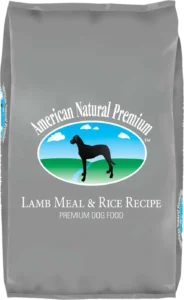
Lamb: Highly digestible with complete amino acids, lamb provides excellent protein for senior dogs with sensitive digestive systems. American Natural Premium’s Lamb Meal & Rice Recipe offers premium lamb protein in a formula gentle on aging digestive systems while supporting muscle maintenance.
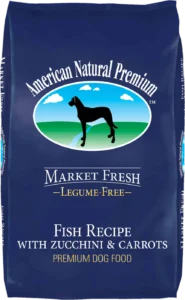
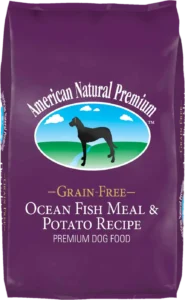
Fish: Fish proteins combined with natural omega-3 fatty acids make fish-based formulas particularly beneficial for senior dogs managing joint pain and inflammation. American Natural Premium’s Fish Recipe with Zucchini & Carrots provides these anti-inflammatory benefits alongside highly digestible protein ideal for aging dogs.
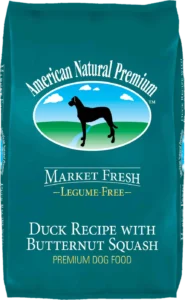
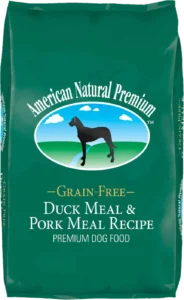
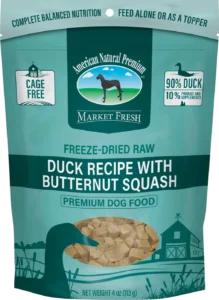
Duck: For senior dogs with protein allergies or sensitivities that have developed over their lifetime, novel proteins like duck offer complete nutrition without triggering reactions. American Natural Premium’s Duck Recipe with Butternut Squash provides this alternative with omega-rich nutrition supporting senior skin and coat health.
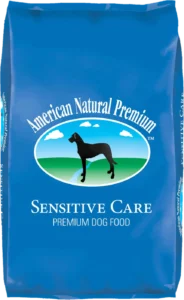
Sensitive Formulas: Senior dogs with multiple health concerns, sensitive digestive systems, or complex nutritional needs benefit from carefully formulated sensitive care options. American Natural Premium’s Sensitive Care provides easily digestible proteins with probiotics and prebiotics supporting the digestive and immune health challenges aging dogs commonly face.
Feeding Practices for Senior Dogs
Meal Frequency and Timing
Most senior dogs benefit from:
- Two meals daily rather than one large meal, reducing digestive strain
- Consistent feeding times supporting digestion and medication management
- Smaller portions if weight management is needed
- Elevated food bowls for dogs with arthritis making bending painful
Hydration
Senior dogs are more susceptible to dehydration due to reduced thirst sensation and kidney changes. Support hydration through:
- Always providing fresh, clean water
- Adding warm water to kibble to increase moisture intake
- Considering wet food additions for highly dehydrated dogs
- Multiple water stations throughout the home for mobility-limited seniors
Portion Control
Senior dogs’ decreased activity and metabolism make precise portion control essential:
- Measure food with actual measuring cups rather than estimating
- Adjust portions based on body condition assessment monthly
- Account for treats in daily caloric totals
- Weigh your dog monthly to catch gradual changes
Transitioning to Senior Food
When transitioning aging dogs to new senior formulas:
- Transition gradually over 10-14 days
- Senior dogs may have more sensitive digestive systems requiring slower transitions
- Monitor stool quality, appetite, and energy throughout transition
- Consult veterinarians if significant digestive upset occurs
Supplements for Senior Dogs
While quality senior foods provide comprehensive nutrition, some dogs benefit from additional supplementation:
Fish Oil: Additional omega-3 supplementation beyond food provides enhanced anti-inflammatory benefits for arthritic seniors.
Probiotics: Supplemental probiotics support gut health in dogs whose aging digestive systems need extra support beyond food-based probiotics.
Glucosamine and Chondroitin: Joint supplements may benefit seniors whose foods don’t contain adequate levels of these joint-supporting compounds.
Vitamin E and C: Antioxidant supplementation may support cognitive function and overall health in aging dogs.
Always consult veterinarians before adding supplements, as some interact with medications or create imbalances when combined with already-fortified foods.
Monitoring Your Senior Dog’s Response to Food
Regular assessment helps ensure senior nutrition remains appropriate as dogs continue aging:
Body Condition Scoring: Monthly hands-on assessment determines if your senior is maintaining, losing, or gaining weight appropriately.
Energy Levels: Dramatic energy changes may indicate nutritional inadequacy or health changes requiring veterinary attention.
Coat and Skin Quality: Dull coats, excessive shedding, or skin problems may indicate nutritional deficiencies or allergies developing in senior years.
Digestive Health: Changes in stool consistency, frequency, or appetite warrant investigation and possible dietary adjustment.
Muscle Condition: Visible muscle loss despite adequate protein intake suggests veterinary evaluation for underlying health conditions.
Behavioral Changes: Cognitive changes, increased confusion, or altered eating behaviors in seniors warrant veterinary assessment alongside nutritional evaluation.
When to Consult a Veterinarian About Senior Nutrition
Seek veterinary guidance when your senior dog experiences:
- Unexplained weight loss or gain
- Dramatic appetite changes
- New digestive symptoms (vomiting, diarrhea, constipation)
- Significantly reduced energy or mobility
- Increased thirst or urination
- Behavioral changes suggesting cognitive decline
Regular senior wellness exams (every 6 months for dogs over 7) provide opportunities to discuss nutritional needs alongside comprehensive health assessment, catching problems early when dietary intervention is most effective.
Senior dog nutrition requires understanding how aging changes your dog’s nutritional needs and selecting foods that address those specific changes. High-quality, digestible protein remains essential for muscle preservation, while reduced calories accommodate slower metabolisms. Joint-supporting nutrients, digestive health ingredients, and cognitive support become increasingly important as dogs age. By choosing foods with quality named protein sources, supporting ingredients like probiotics and omega-3 fatty acids, and making adjustments based on your individual dog’s health status and response, you give your senior companion the nutritional foundation for the most comfortable, healthy, and vibrant golden years possible. The investment in appropriate senior nutrition pays dividends in maintained mobility, healthy weight, strong immunity, and the continued quality of life your loyal companion deserves.
The food behind the advice
Every recipe is made in Wisconsin with real meat and wholesome, market-fresh ingredients. Free shipping on orders over $50 in the lower 48, or pick a bag up from a shop near you.


