

























Boston Terrier Food Allergies: A Complete Guide for Owners

Boston Terriers, affectionately known as the “American Gentleman” for their tuxedo-like markings, are charming companions with big personalities packed into compact bodies. However, these beloved dogs are particularly prone to food allergies and sensitivities that can significantly impact their quality of life. Understanding and managing food allergies in Boston Terriers requires knowledge of the breed’s unique characteristics, common allergens, and effective strategies to keep these spirited dogs healthy and comfortable.
Why Boston Terriers Are Prone to Food Allergies
Boston Terriers have a genetic predisposition to allergies that affects a significant portion of the breed. Their brachycephalic (flat-faced) structure, sensitive digestive systems, and skin characteristics make them particularly vulnerable to both food and environmental allergies. Additionally, the breed’s limited genetic diversity due to their relatively recent development and popularity can concentrate allergy-prone traits within breeding lines.
Food allergies in Boston Terriers typically develop through repeated exposure to specific proteins over time. The most common allergens include chicken, beef, dairy, wheat, soy, and corn – ingredients found in many commercial dog foods. Some Boston Terriers also develop sensitivities to additives, preservatives, or artificial ingredients commonly used in lower-quality dog foods.
The breed’s sensitive nature extends beyond just food allergies. Many Boston Terriers have overall sensitive constitutions that require careful attention to diet, environment, and general care to maintain optimal health.
Common Food Allergy Symptoms in Boston Terriers
Food allergies in Boston Terriers manifest through various symptoms that owners should recognize:
Skin Problems: The most visible signs typically affect the skin. Boston Terriers with food allergies frequently experience persistent itching, particularly around the face, paws, belly, and ears. Their short coat makes skin irritation highly visible, with redness, rashes, or hives appearing easily. Hot spots can develop from constant scratching, and some dogs lose hair in affected areas. The breed’s skin folds, particularly around the face, can become inflamed and infected when allergies are present.
Chronic Ear Infections: Boston Terriers’ characteristic bat-like ears can develop recurring infections when food allergies are present. Signs include redness, dark discharge, foul odors, and frequent head shaking or ear scratching.
Digestive Issues: Gastrointestinal symptoms are common in allergic Boston Terriers. These may include chronic diarrhea, vomiting, excessive gas, bloating, or irregular bowel movements. Some dogs become picky eaters or show decreased appetite when foods cause discomfort. Given the breed’s already sensitive digestive system, food allergies can cause particularly severe gastrointestinal upset.
Respiratory Problems: Due to their brachycephalic structure, Boston Terriers already have compromised airways. Food allergies can worsen breathing difficulties through inflammation, increased nasal discharge, or respiratory distress.
Eye Issues: Boston Terriers’ prominent eyes make them vulnerable to irritation. Allergic dogs may develop excessive tearing, redness, or discharge that resembles conjunctivitis.
Paw Licking: Excessive licking and chewing of paws is extremely common in allergic Boston Terriers, often leading to stained fur and raw, inflamed paw pads.
Diagnosing Food Allergies in Boston Terriers
Proper diagnosis requires systematic evaluation to differentiate food allergies from the breed’s many other potential health issues:
Elimination Diet Trial: The gold standard involves feeding a strict diet with novel proteins for 8-12 weeks. During this period, no other foods, treats, or flavored medications can be given. Boston Terriers’ tendency to be food-motivated can make this process easier, though their sensitive stomachs require gradual dietary transitions.
Veterinary Evaluation: Working with a veterinarian familiar with Boston Terriers is beneficial, as they can distinguish food allergies from other common breed issues like breathing problems, eye conditions, or structural sensitivities.
Comprehensive Assessment: Boston Terriers often have multiple allergies simultaneously, so comprehensive evaluation of both food and environmental factors is important.
Managing Food Allergies in Boston Terriers
Once food allergies are identified, management focuses on strict avoidance and finding appropriate alternatives:
Novel Protein Sources: Transitioning to proteins the Boston hasn’t previously consumed often provides relief. American Natural Premium’s Lamb Meal & Rice Recipe offers an excellent alternative for Boston Terriers with chicken or beef sensitivities, providing easily digestible protein suitable for their sensitive systems.
Duck-Based Diets: For Boston Terriers requiring truly novel proteins, American Natural Premium’s Duck Recipe with Butternut Squash provides a unique protein source that many allergic dogs tolerate well.
Fish-Based Options: Fish proteins are highly digestible and provide anti-inflammatory omega-3 fatty acids. American Natural Premium’s Fish Recipe with Zucchini & Carrots offers these benefits in a formula gentle on sensitive digestive systems.
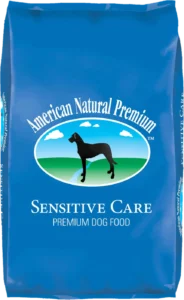
Specialized Support: For Boston Terriers with particularly sensitive systems or multiple allergies, American Natural Premium’s Sensitive Care provides carefully selected proteins with probiotics supporting both digestive and immune health.
Special Considerations for Boston Terriers
Portion Control: Boston Terriers are prone to obesity, which can exacerbate breathing problems and joint stress. When managing allergies, ensure new diets don’t contribute to weight gain.
Digestive Sensitivity: The breed’s sensitive stomachs require very gradual food transitions – typically 10-14 days rather than the standard 7-10 days for other breeds.
Breathing Considerations: Avoid foods that cause bloating or excessive gas, as these can worsen breathing difficulties in this brachycephalic breed.
Skin Fold Care: Allergic Boston Terriers need extra attention to facial folds, which can become infected when overall inflammation is high.
Supporting Your Allergic Boston Terrier
Regular Cleaning: Boston Terriers’ facial folds require daily cleaning with gentle, hypoallergenic wipes to prevent infection, especially when allergies are active.
Temperature Management: The breed is sensitive to temperature extremes, and heat can worsen allergy symptoms. Maintain comfortable temperatures year-round.
Limited Treats: Boston Terriers love treats, but allergic dogs need carefully selected, single-ingredient options that don’t contain trigger proteins.
Stress Reduction: These sensitive dogs can experience stress-related allergy flare-ups. Maintaining calm, consistent routines helps minimize reactions.
While Boston Terriers are prone to food allergies, these sensitivities are manageable with proper diagnosis, dietary adjustments, and ongoing care. By identifying trigger ingredients, transitioning to appropriate alternative proteins, and supporting their sensitive systems through quality nutrition, allergic Boston Terriers can return to being the lively, affectionate companions they’re meant to be. Working closely with veterinarians and committing to high-quality, allergen-free nutrition ensures these charming dogs can live comfortable, happy lives despite their food sensitivities.

Recommended Food

The food behind the advice
Every recipe is made in Wisconsin with real meat and wholesome, market-fresh ingredients. Free shipping on orders over $50 in the lower 48, or pick a bag up from a shop near you.


