














Best Dog Food for Akita: Nutrition for the Noble Guardian

The Akita, a majestic breed originating from the mountainous regions of northern Japan, commands respect with its powerful build, dignified demeanor, and unwavering loyalty. These large, impressive dogs were originally bred for hunting large game and serving as guard dogs, creating a breed with specific nutritional needs that must be met to maintain their health, strength, and characteristic nobility. Understanding what constitutes the best dog food for Akitas is essential for supporting their unique physiology and preventing the health issues to which this breed is predisposed.
Understanding the Akita’s Unique Nutritional Needs
Akitas are large, powerful dogs with males typically weighing 100-130 pounds and females 70-100 pounds. Despite their substantial size, Akitas have a surprisingly moderate metabolism and relatively low energy requirements compared to other large breeds. This paradox – large size with moderate caloric needs – is one of the most important considerations when selecting appropriate nutrition for this breed.
Their dense double coat, muscular build, and dignified bearing require quality nutrition, but overfeeding is a common problem among Akita owners who assume such large dogs need massive amounts of food. Additionally, the breed’s spitz heritage and relative genetic purity create dogs with potentially sensitive digestive systems that may not tolerate highly processed foods or frequent dietary changes well.
Akitas are known for being somewhat aloof and particular about many things, including food. This selectivity, combined with their nutritional requirements, makes finding the right balance between quality nutrition and palatability essential for their health and contentment.
Essential Nutritional Requirements for Akitas
Moderate Protein Levels: Despite their size, adult Akitas typically do well on 20-26% protein, with highly active or working dogs benefiting from the higher end of this range. The protein should come from high-quality, identifiable sources that provide complete amino acid profiles for maintaining their substantial muscle mass.
Controlled Fat Content: Akitas generally thrive on moderate fat levels of 12-15%. This provides adequate energy for their needs without contributing to obesity, which can stress their joints and predispose them to various health problems. Their lower activity levels compared to similarly sized working breeds mean they don’t require the high fat content needed by more energetic large breeds.
Joint Supporting Nutrients: Given their size and predisposition to hip dysplasia, foods containing natural sources of glucosamine and chondroitin are beneficial throughout an Akita’s life. These nutrients support cartilage health and may help maintain mobility as they age.
Balanced Calcium and Phosphorus: Large breed formulations with appropriate calcium-to-phosphorus ratios (approximately 1.2:1) are important during growth and throughout adulthood to support bone health and prevent developmental orthopedic issues.
Omega Fatty Acids: The breed’s thick double coat requires adequate omega-3 and omega-6 fatty acids to maintain healthy skin and a lustrous coat that sheds properly during seasonal coat changes.
Best Protein Sources for Akitas
To find the best dog food for Akitas, owners must consider the protein.
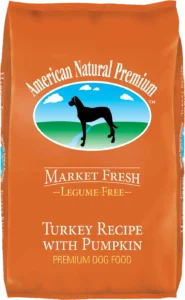
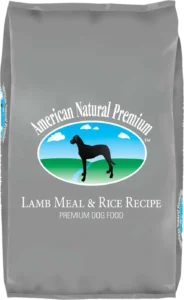
Lamb-Based Formulas: Many Akitas do exceptionally well on lamb-based diets, which provide high-quality protein with lower allergy potential than chicken or beef. American Natural Premium’s Lamb Meal & Rice Recipe offers premium lamb protein in a formula appropriate for large breeds with moderate energy needs.
Fish-Based Options: Fish proteins are highly digestible and provide beneficial omega-3 fatty acids that support both joint health and coat condition. American Natural Premium’s Fish Recipe with Zucchini & Carrots offers these benefits while being gentle on sensitive digestive systems.
Novel Proteins: For Akitas with confirmed food sensitivities, American Natural Premium’s Duck Recipe with Butternut Squash provides an alternative protein that’s typically well-tolerated and highly digestible.
Multi-Protein Formulas: Some Akitas do well on formulas containing multiple protein sources, providing a diverse amino acid profile while potentially reducing the likelihood of developing sensitivities to any single protein.
Managing Breed-Specific Health Concerns Through Nutrition
Hip Dysplasia: This orthopedic condition is relatively common in Akitas. Maintaining optimal body weight throughout life is crucial for minimizing joint stress. During puppyhood, avoiding overfeeding and choosing large breed puppy formulas with appropriate calcium levels helps ensure proper skeletal development.
Hypothyroidism: Akitas have one of the highest rates of hypothyroidism among all breeds. While diet cannot prevent this condition, maintaining overall health through quality nutrition makes thyroid problems easier to identify and manage. Consistent feeding also makes medication dosing more predictable if thyroid supplementation becomes necessary.
Bloat (Gastric Dilatation-Volvulus): This life-threatening condition can affect deep-chested large breeds like Akitas. Feeding smaller, more frequent meals, avoiding exercise immediately before and after meals, and choosing easily digestible foods help minimize risk.
Sebaceous Adenitis: This skin condition affecting sebaceous glands is more common in Akitas than most breeds. Omega fatty acids supporting skin health are particularly important for this breed.
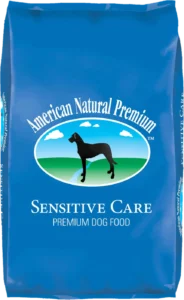
Food Sensitivities: Many Akitas develop food allergies or sensitivities, particularly to chicken, beef, or grains. For dogs with multiple sensitivities, American Natural Premium’s Sensitive Care provides carefully selected proteins with probiotics supporting digestive and immune health.
Immune-Mediated Diseases: Akitas have predispositions to various immune-mediated conditions. While nutrition cannot prevent these, supporting overall immune health through quality ingredients and avoiding unnecessary additives is beneficial.
Age-Specific Nutritional Strategies
Puppies (0-18 months): Akita puppies require large breed puppy formulas with controlled calcium levels (no more than 1.5%) to prevent rapid growth that could damage developing bones and joints. Feed 3-4 smaller meals daily to support steady growth and prevent bloat. American Natural Premium’s Large Breed Puppy provides appropriate nutrition for growing Akitas.
Adults (18 months-7 years): Adult Akitas typically do well on maintenance formulas with moderate protein and fat levels. Their calm, dignified nature means they often require fewer calories per pound than more active breeds. Portion control is essential to prevent obesity.
Seniors (7+ years): Older Akitas may benefit from easily digestible proteins, enhanced joint support, and potentially reduced calories if activity levels decrease. However, maintaining muscle mass becomes increasingly important as they age, so protein quality should remain high even if quantity is adjusted.
Feeding Guidelines and Weight Management
Akitas typically consume 3-6 cups of high-quality dry food daily, divided into two meals to reduce bloat risk. However, this varies dramatically based on individual metabolism, activity level, and body condition. Many Akitas maintain healthy weight on the lower end of feeding recommendations, while others require more food to maintain condition.
Monitor your Akita’s body condition obsessively. You should easily feel their ribs without pressing hard, and they should have a visible waist tuck when viewed from above and from the side. The breed’s thick coat can hide weight gain, making regular hands-on assessment essential.
Avoid free-feeding with Akitas. Scheduled meals help monitor intake, prevent obesity, reduce bloat risk, and support training through food motivation.
Special Considerations for Akita Owners
Food Aggression Management: Some Akitas can develop food guarding behaviors. Establishing healthy feeding routines from puppyhood, including hand-feeding and positive associations around food handling, is important for this naturally protective breed.
Seasonal Variations: Akitas may eat less during hot weather due to their thick coats making them heat-sensitive. Conversely, they may need slightly more food during cold weather when their bodies work to maintain temperature.
Exercise Timing: Avoid vigorous exercise for 1-2 hours before and after meals to reduce bloat risk. Their moderate exercise needs make this relatively easy to manage.
Coat Maintenance: During heavy shedding periods (typically spring and fall), ensure adequate omega fatty acids and protein to support coat regeneration.
Treat Selection: Akitas can be particular about treats. Choose high-quality, single-ingredient options that complement their regular diet and don’t exceed 10% of daily calories.
Choosing The Best Dog Food for Your Akita
When selecting food for your Akita, prioritize:
- Large breed-specific formulations with appropriate nutrient ratios
- High-quality, named protein sources as primary ingredients
- Moderate calorie density appropriate for their metabolism
- No excessive fillers or artificial additives
- Brands with strong quality control and safety records
- Formulas supporting joint health throughout life
Conclusion
The best dog food for Akitas must balance their substantial size with their moderate metabolism, support their joint health, and accommodate any individual sensitivities this breed commonly develops. Focus on controlled growth during puppyhood, careful weight management throughout adulthood, and continued support for their joints and coat as they age. With proper nutrition tailored to their unique needs, these noble dogs can maintain the strength, dignity, and health that makes them such impressive and loyal companions throughout their 10-13 year lifespan. Remember that individual Akitas vary significantly in their needs, and working with a veterinarian experienced with large breeds ensures your Akita receives optimal nutrition throughout their life.

Recommended Food


The food behind the advice
Every recipe is made in Wisconsin with real meat and wholesome, market-fresh ingredients. Free shipping on orders over $50 in the lower 48, or pick a bag up from a shop near you.


