




Best Dog Food for Springer Spaniels
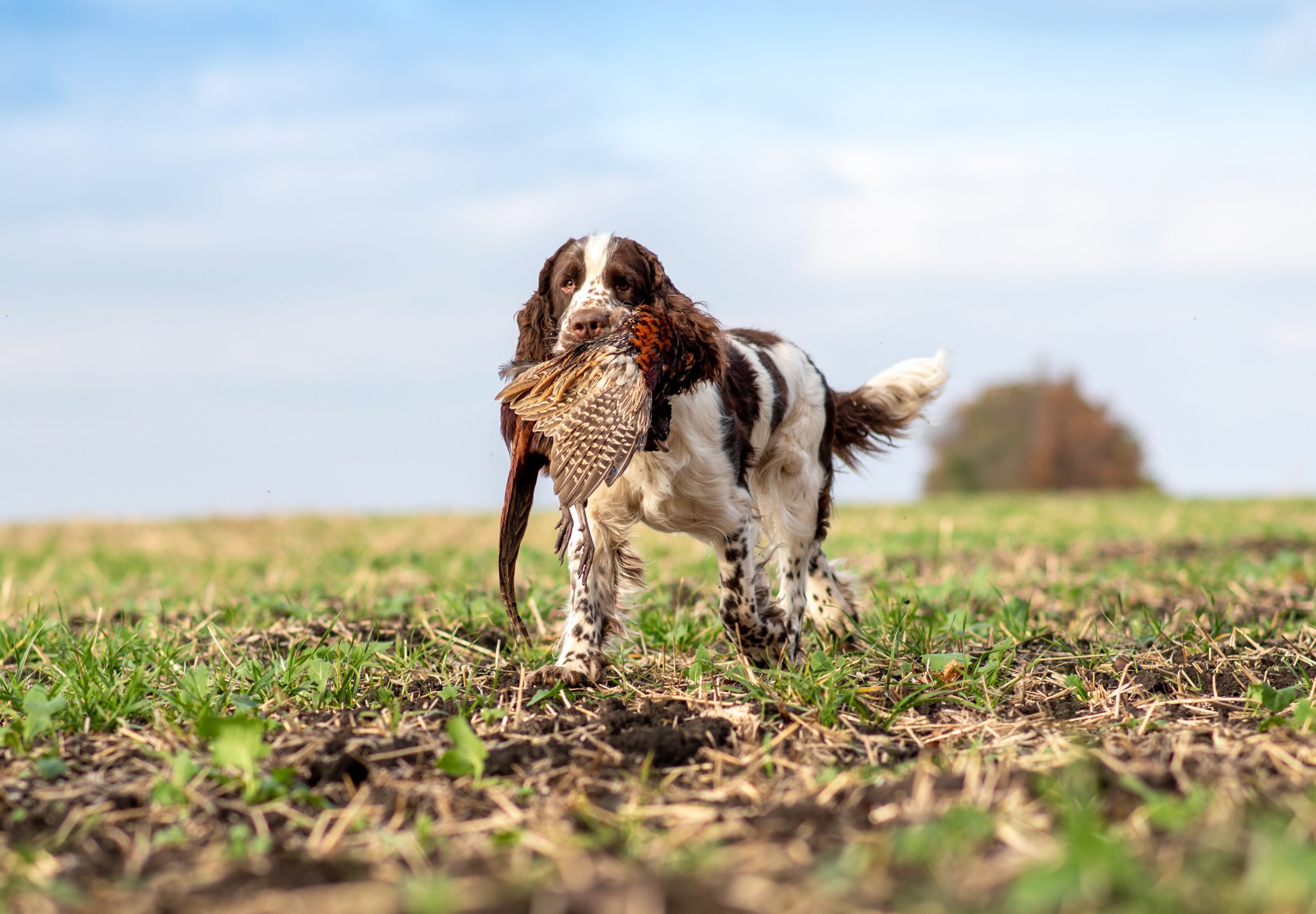
English Springer Spaniels, with their boundless energy and keen hunting instincts, are among the most athletic and versatile sporting dogs. These medium-sized dogs, typically weighing 40-50 pounds, were bred to work tirelessly in the field, flushing and retrieving game birds. Their high energy levels, muscular build, and working heritage create specific nutritional requirements that must be met to maintain their characteristic vitality and prevent health issues common to the breed.
Understanding the Springer Spaniel’s Athletic Nature
Springer Spaniels are true athletes, originally developed to work long days in challenging terrain. This heritage has created dogs with exceptional endurance, high metabolisms, and significant nutritional demands. Unlike many companion breeds, Springers maintain their working drive even as family pets, requiring nutrition that supports their active lifestyle and mental stimulation needs.
Their compact, well-balanced build combines power with agility, requiring adequate protein for muscle maintenance and sufficient energy for their high activity levels. Additionally, their friendly, eager-to-please nature often extends to their eating habits, making them generally good eaters who may be prone to weight gain if their diet isn’t carefully managed relative to their exercise levels.
The breed’s feathered coat and active outdoor lifestyle also mean they benefit from nutrients that support skin and coat health, while their working heritage and joint structure require nutrition that promotes long-term mobility and joint function.
Essential Nutritional Requirements
High-Quality Protein: Springer Spaniels require 22-28% protein content in their diet, with working or highly active dogs often needing the higher end of this range. The protein should come from identifiable, high-quality sources that provide complete amino acid profiles necessary for maintaining their athletic build and supporting their energy demands.
Moderate to High Fat Content: These energetic dogs typically thrive on diets containing 14-18% fat content. This level provides sufficient energy for their active lifestyle while supporting healthy skin and coat condition. Working Springers or those engaged in intensive training may require even higher fat levels.
Complex Carbohydrates: Springer Spaniels benefit from complex carbohydrates that provide sustained energy release throughout their active days. Sources like brown rice, oats, and sweet potatoes offer steady energy that matches their endurance-oriented activities without causing energy crashes.
Omega Fatty Acids: Their feathered coat and active outdoor lifestyle make omega-3 and omega-6 fatty acids particularly important for maintaining healthy skin and a lustrous coat while supporting joint health and reducing inflammation from intense activity.
Best Protein Sources for Springer Spaniels
Springer Spaniels generally do well with various protein sources, though their active nature often makes them less prone to developing food sensitivities than some other breeds:
Chicken-Based Formulas: Many Springers thrive on chicken-based diets, which provide lean, easily digestible protein that supports their athletic build. However, some individuals may develop sensitivities over time.
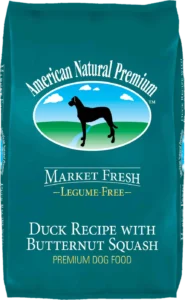
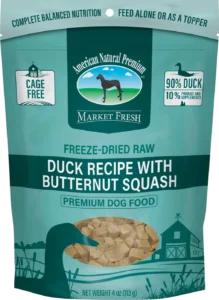
Duck-Based Options: For Springers requiring novel protein sources or those with chicken sensitivities, American Natural Premium’s Duck Recipe with Butternut Squash provides excellent protein with superior palatability and omega-rich nutrition that supports their active lifestyle.
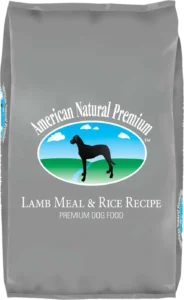
Lamb-Based Diets: American Natural Premium’s Lamb Meal & Rice Recipe offers an alternative protein source that’s often well-tolerated and provides the energy density active Springers need.
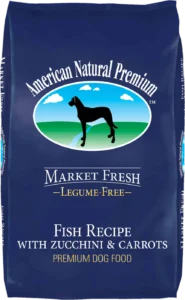
Fish-Based Formulas: Fish proteins are highly digestible and provide beneficial omega-3 fatty acids that support joint health and coat condition. American Natural Premium’s Fish Recipe with Zucchini & Carrots combines these benefits while being gentle on digestive systems.
Managing Breed-Specific Health Concerns Through Nutrition
Hip Dysplasia: While less common than in larger breeds, some Springer Spaniels can develop hip dysplasia. Maintaining optimal weight through proper nutrition and portion control helps minimize joint stress throughout their active lives.
Ear Infections: Springer Spaniels’ long, floppy ears create an environment prone to infections, especially when combined with their love of water and outdoor activities. Diets rich in omega-3 fatty acids can help support immune function and reduce inflammation that may contribute to ear problems.
Eye Conditions: The breed can be prone to various eye conditions including progressive retinal atrophy. Antioxidants like vitamin E, vitamin C, and beta-carotene may support eye health, though genetics play the primary role.
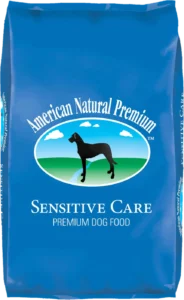
Allergies and Skin Sensitivities: Some Springer Spaniels develop environmental or food allergies that manifest as skin issues. High-quality protein sources, omega fatty acids, and limited ingredient diets can help manage these sensitivities. For particularly sensitive dogs, American Natural Premium’s Sensitive Care provides easily digestible proteins with probiotics to support both digestive and skin health.
Weight Management: Springer Spaniels’ good appetites combined with varying activity levels can lead to weight gain. Their athletic build should remain lean and well-muscled, making careful portion control important.
Age-Specific Nutritional Considerations
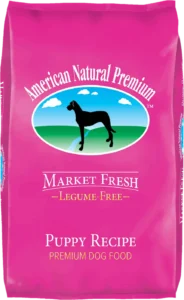
Puppies (0-12 months): Springer Spaniel puppies need puppy-specific formulas with 26-30% protein and 15-18% fat to support their rapid growth and high activity levels. Their working heritage means they’re typically very active even as puppies, requiring adequate nutrition to fuel their energy and development.
Adults (1-7 years): Adult Springers typically do best on maintenance formulas with 22-26% protein and 14-16% fat. Working dogs, field trial competitors, or those with exceptionally high activity levels may need performance formulas with higher protein and fat content.
Seniors (7+ years): Older Springer Spaniels may benefit from formulas with easily digestible proteins, joint-supporting ingredients, and potentially adjusted calories if activity levels decrease with age. However, many Springers remain quite active well into their senior years.
Feeding Guidelines for Active Springers
Springer Spaniels typically require 1.5-2.5 cups of high-quality dry food daily for pet dogs, but working or highly active dogs may need significantly more – sometimes 3-4 cups or more depending on their work load and activity intensity. The key is matching caloric intake to energy output while maintaining optimal body condition.
Activity-Based Feeding: During hunting season, field training, or intensive exercise periods, Springers may need 25-50% more calories than during less active periods. Monitor body condition closely and adjust portions accordingly.
Multiple Meals: Divide daily food into two or three meals to support steady energy levels throughout active days and reduce the risk of bloat, which can affect deep-chested dogs during intense activity.
Pre and Post-Exercise Nutrition: Avoid feeding large meals immediately before intense exercise. Consider feeding smaller meals 2-3 hours before activity, with post-exercise feeding occurring after the dog has cooled down and rested.
Supporting the Working Springer Spaniel
For Springer Spaniels engaged in hunting, field trials, or other intensive activities, nutritional needs increase significantly:
Higher Caloric Density: Working dogs may need diets with higher fat content (18-20%) to provide concentrated energy for sustained activity.
Enhanced Protein: Dogs in intensive training or work may benefit from 26-30% protein to support muscle recovery and maintenance.
Electrolyte Balance: Dogs working in hot weather or for extended periods may need electrolyte supplementation to maintain proper hydration and muscle function.
Recovery Nutrition: Post-exercise nutrition should focus on protein for muscle recovery and easily digestible carbohydrates to replenish energy stores.
Hydration and Water Requirements
Springer Spaniels’ high activity levels and love of outdoor activities make proper hydration critical. These dogs typically need more water than sedentary breeds, especially during exercise or warm weather. Always provide fresh, clean water, and consider portable water sources during field activities.
Their tendency to get into water during outdoor activities also means monitoring for water intoxication during swimming or play in streams and ponds, though this is behavioral rather than nutritional.
Special Considerations for Show vs. Pet Springers
Show Dogs: Springer Spaniels competing in conformation may need nutrition focused on coat condition and optimal body weight for presentation. Omega fatty acids become particularly important for coat quality.
Field Dogs: Working Springers need performance nutrition that prioritizes energy, endurance, and recovery over coat cosmetics.
Pet Dogs: Companion Springers fall somewhere between these extremes, needing nutrition that supports their naturally active nature without the intensive demands of working dogs.
Choosing the Right Food
When selecting food for your Springer Spaniel, consider:
- Activity level and working demands
- Individual sensitivities or allergies
- Age and life stage requirements
- Body condition and weight management needs
- Coat and skin health
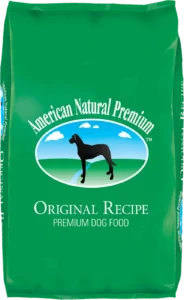
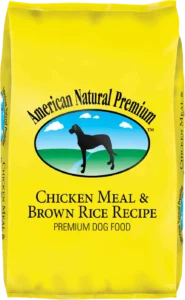
American Natural Premium’s Original Recipe provides an excellent foundation for most Springer Spaniels, offering balanced nutrition with high-quality proteins and digestible ingredients that support their active lifestyle.
The best dog food for your Springer Spaniel should match their energy levels, support their athletic build, and address any individual health considerations. These versatile sporting dogs thrive on high-quality nutrition that provides sustained energy for their active lives while maintaining their characteristic enthusiasm and vitality. Whether your Springer is a weekend hiking companion, working field dog, or active family pet, proper nutrition forms the foundation for their health, performance, and longevity. Monitor their body condition closely, adjust feeding based on activity levels, and choose foods that support their hardworking, energetic nature.

Recommended Food


The food behind the advice
Every recipe is made in Wisconsin with real meat and wholesome, market-fresh ingredients. Free shipping on orders over $50 in the lower 48, or pick a bag up from a shop near you.


