





















Boxer Food Allergies: A Guide

Boxers, with their playful personalities and expressive faces, are beloved companions in many households. However, these energetic dogs can be prone to food allergies and sensitivities that may affect their quality of life. Understanding these issues can help you better care for your Boxer and ensure they remain happy and healthy.
Common Food Allergies in Boxers
Boxers have a predisposition to certain food allergies, with proteins being the most frequent offenders. Beef, chicken, dairy, and egg proteins commonly trigger allergic reactions in this breed. Additionally, Boxers can develop sensitivities to wheat, corn, soy, and artificial additives found in many commercial dog foods.
The symptoms of food allergies in Boxers can manifest in various ways:
- Skin conditions, including itching, redness, and recurrent hot spots
- Ear infections that persist despite treatment
- Digestive issues such as vomiting, diarrhea, or excessive gas
- Paw licking and chewing
- Face rubbing against furniture or carpeting
- Respiratory problems like sneezing or coughing
Diagnosing Food Allergies in Your Boxer
If you suspect your Boxer has food allergies, consult your veterinarian for proper diagnosis. The gold standard for identifying food allergies is an elimination diet trial. This process involves feeding your Boxer a novel protein source they’ve never consumed before, paired with limited ingredients.
During the 8-12 week trial, your veterinarian will monitor your dog’s symptoms to determine if they improve. Following this period, potential allergens may be reintroduced one at a time to identify specific triggers. This methodical approach helps pinpoint exactly what’s causing your Boxer’s allergic reactions.
Boxer Dog Skin Allergies
Boxers have one of the highest rates of allergies among all dog breeds, with skin manifestations being the most common presentation. Several factors contribute to this predisposition:
Genetic Susceptibility: The breed has genetic tendencies toward atopy (environmental allergies) and food sensitivities that frequently manifest through skin symptoms. Breeding practices that prioritize appearance and temperament have inadvertently concentrated allergy-prone genes within the population.
Short, Thin Coat: Boxers’ short, fine coat provides minimal protection against environmental allergens. Unlike breeds with thick double coats that offer some barrier, Boxer skin is more directly exposed to pollens, dust mites, and other environmental triggers.
Sensitive Skin: The breed has naturally sensitive skin that reacts more readily to irritants, allergens, and inflammatory triggers than many other breeds.
Brachycephalic Features: While less extreme than some flat-faced breeds, Boxers’ facial structure includes skin folds around the muzzle that can trap moisture, bacteria, and allergens, creating localized irritation.
Common Causes of Boxer Allergies
Food Allergies: Proteins like chicken, beef, and dairy are common triggers, along with grains like wheat and corn. Food allergies in Boxers typically manifest primarily through skin symptoms rather than digestive issues.
Environmental Allergies (Atopy): Pollen, dust mites, mold spores, and grass are frequent culprits. Many Boxers show seasonal allergy patterns that worsen during spring and fall.
Contact Allergies: Some Boxers react to materials in bedding, carpet cleaners, lawn chemicals, or grooming products that touch their skin directly.
Flea Allergy Dermatitis: Even a single flea bite can trigger severe allergic reactions in sensitive Boxers, causing intense itching and skin damage.
Effective Dietary Management
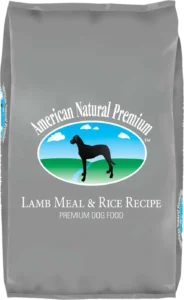
Once your Boxer’s food allergies are identified, the next step is finding an appropriate diet. American Natural Premium’s Lamb Meal & Rice Recipe can be an excellent option for Boxers allergic to common proteins like chicken or beef, as it uses lamb as its primary protein source.
For Boxers with multiple sensitivities, novel proteins such as duck or fish may be beneficial. American Natural Premium’s Duck Recipe with Butternut Squash provides an alternative protein source while avoiding many common allergens.
While grain allergies are less common than protein allergies, some Boxers may benefit from grain-free formulations. However, it’s important to note that recent studies have shown a potential link between grain-free diets and heart issues in some dog breeds, so consult your veterinarian before making this dietary change.
Supporting Your Boxer’s Immune System
Beyond diet modification, supporting your Boxer’s overall health can help manage allergic reactions:
Skin and Coat Care: Regular bathing with hypoallergenic shampoos can remove environmental allergens from your Boxer’s coat. Their short hair makes grooming relatively simple, but still crucial for skin health.
Digestive Support: Probiotics can help strengthen your Boxer’s gut health, which plays a significant role in immune function. American Natural Premium’s Sensitive Care formula includes prebiotics and probiotics that promote healthy digestion and immune response.
Omega Fatty Acids: Supplementing with omega-3 fatty acids can help reduce inflammation associated with allergic reactions. These supplements support skin health and may minimize itching and irritation.
The Importance of Consistency
When managing food allergies in Boxers, consistency is essential. Even small amounts of allergens can trigger reactions, so maintaining a strict diet is necessary. This includes treats, table scraps, and medications that might contain allergenic ingredients.
Transitioning to a new food should be done gradually over 7-10 days to prevent digestive upset. Mix increasing amounts of the new food with decreasing amounts of the old food until the transition is complete.
Long-term Management
Food allergies require lifelong management, but with proper care, your Boxer can live a comfortable, symptom-free life. Regular veterinary check-ups can help monitor your dog’s condition and adjust their treatment plan as needed.
With patience, vigilance, and the right dietary approach, you can successfully manage your Boxer’s food allergies and ensure they continue to enjoy the active, playful lifestyle that makes this breed so special.

Recommended Food


The food behind the advice
Every recipe is made in Wisconsin with real meat and wholesome, market-fresh ingredients. Free shipping on orders over $50 in the lower 48, or pick a bag up from a shop near you.


