
Can Dogs Eat Beef Tallow? Understanding This Traditional Fat Source
Beef tallow, the rendered fat from cattle, has been used for centuries in cooking and food preservation. As more dog owners explore ancestral diets and traditional food preparation methods for their pets, questions about beef tallow’s safety and appropriateness for canine consumption have become increasingly common. Understanding whether dogs can eat beef tallow, its potential benefits, and associated risks is essential for making informed decisions about including this traditional fat in your dog’s diet.
What is Beef Tallow?
Beef tallow is fat rendered from beef, typically from the area around the kidneys and loins (suet). The rendering process involves slowly heating the fat to separate pure fat from any meat, connective tissue, or impurities. The result is a stable, shelf-stable fat that’s solid at room temperature and has been used traditionally for cooking, making soap, and even as a food preservation method.
High-quality beef tallow is nearly pure fat (approximately 100% fat content) composed primarily of saturated and monounsaturated fats. It contains no protein, carbohydrates, or fiber, making it a concentrated calorie source providing approximately 115 calories per tablespoon.
Can Dogs Safely Eat Beef Tallow?
Yes, dogs can eat beef tallow in moderation, and it can even provide certain benefits when used appropriately. Dogs are capable of digesting fats efficiently, and their ancestors consumed significant amounts of fat from prey animals. However, several important considerations determine whether beef tallow is appropriate for individual dogs.
Potential Benefits of Beef Tallow for Dogs
Concentrated Energy Source: For highly active dogs, working dogs, or those struggling to maintain weight, beef tallow provides concentrated calories that can help meet elevated energy needs without requiring large food volumes.
Palatability Enhancement: Adding small amounts of beef tallow to food can increase palatability for picky eaters or dogs recovering from illness who need encouragement to eat.
Fat-Soluble Vitamin Absorption: Dietary fats help dogs absorb fat-soluble vitamins (A, D, E, and K), making beef tallow potentially beneficial when combined with vitamin-rich foods.
Coat Health: The fatty acids in beef tallow can contribute to healthy skin and coat when consumed in appropriate amounts as part of balanced nutrition.
Ancestral Diet Component: For owners following prey model or ancestral diet philosophies, beef tallow represents a natural fat source dogs’ wild ancestors would have consumed.
Significant Risks and Concerns
Pancreatitis: This is the most serious risk associated with beef tallow consumption. Pancreatitis, inflammation of the pancreas, can be triggered by high-fat foods, particularly in dogs predisposed to this condition. Dogs with pancreatitis history, miniature schnauzers, Yorkshire terriers, and certain other breeds at higher risk should avoid beef tallow entirely.
Digestive Upset: The extremely high fat content in beef tallow can cause vomiting, diarrhea, and abdominal discomfort in dogs unaccustomed to high-fat diets or with sensitive digestive systems.
Obesity: Beef tallow’s caloric density makes it easy to overfeed. Just one tablespoon contains 115 calories – a significant portion of daily caloric needs for small or moderately active dogs. Regular beef tallow consumption without corresponding calorie reduction elsewhere inevitably leads to weight gain.
Nutritional Imbalance: Beef tallow provides calories without protein, vitamins (except potentially small amounts of fat-soluble vitamins), minerals, or other essential nutrients. Relying too heavily on tallow for calories creates nutritional deficiencies.
Allergies: Dogs with beef allergies may react to beef tallow, though reactions are less common with pure rendered fat than with beef protein sources. However, lower-quality tallow containing protein residues could trigger allergic responses.
Appropriate Usage Guidelines
If you choose to give your dog beef tallow, follow these guidelines:
Start Very Small: Begin with tiny amounts (1/4 teaspoon for small dogs, 1/2 teaspoon for large dogs) to assess tolerance.
Monitor Closely: Watch for digestive upset, changes in stool consistency, or signs of discomfort for 24-48 hours after introduction.
Use Sparingly: Limit beef tallow to occasional use rather than daily feeding. Even for dogs who tolerate it well, moderation is essential.
Account for Calories: When adding beef tallow, reduce calories from other sources proportionally to prevent weight gain.
Choose Quality Sources: Use high-quality, properly rendered beef tallow from grass-fed cattle when possible, avoiding tallow containing additives or preservatives.
Avoid for At-Risk Dogs: Dogs with pancreatitis history, obesity, diabetes, digestive sensitivities, or breeds predisposed to pancreatitis should not consume beef tallow.
Dogs Who Should Avoid Beef Tallow
Pancreatitis-Prone Breeds: Miniature Schnauzers, Yorkshire Terriers, Cocker Spaniels, and other breeds with pancreatitis predisposition should avoid high-fat foods like tallow.
Overweight Dogs: The concentrated calories in beef tallow make it completely inappropriate for dogs needing weight loss.
Senior Dogs: Older dogs often have decreased fat tolerance and reduced pancreatic function, making rich foods like tallow risky.
Dogs with Medical Conditions: Those with diabetes, digestive disorders, liver disease, or kidney problems should avoid beef tallow unless specifically approved by veterinarians.
Better Alternatives
For most dogs, healthier fat sources include:
Fish Oil: Provides beneficial omega-3 fatty acids with anti-inflammatory properties.
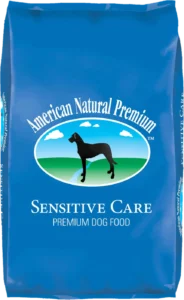
Balanced Dog Foods: Quality commercial foods like American Natural Premium’s Sensitive Care provide appropriate fat levels within complete, balanced nutrition.
Moderate Meat Fats: Small amounts of fat naturally occurring in meat-based dog foods provide sufficient fat without the concentrated risks of pure tallow.
Cooking Applications
Some owners use beef tallow when preparing homemade dog food or treats. If using tallow for cooking:
- Use minimal amounts for greasing pans or adding moisture
- Never feed pure tallow in large quantities
- Ensure homemade diets are nutritionally balanced through veterinary nutritionist consultation
- Remember that foods cooked in tallow absorb significant fat, increasing caloric density
While dogs can technically eat beef tallow, and it may provide benefits in very specific circumstances (highly active dogs, weight gain situations), the risks generally outweigh potential advantages for most pet dogs. The high fat content creates serious pancreatitis risk, can cause digestive upset, and easily leads to obesity without careful management. For typical pet dogs eating balanced commercial diets, beef tallow is unnecessary and potentially problematic. If you’re considering adding beef tallow to your dog’s diet, consult with a veterinarian first to determine if it’s appropriate for your individual dog’s health status, activity level, and nutritional needs. For most dogs, sticking with complete, balanced commercial foods provides all necessary fats without the risks associated with concentrated fat sources like beef tallow.
The food behind the advice
Every recipe is made in Wisconsin with real meat and wholesome, market-fresh ingredients. Free shipping on orders over $50 in the lower 48, or pick a bag up from a shop near you.


