
Best Meats for Dogs with Allergies
When your dog develops food allergies, finding the right protein source becomes one of the most important decisions you’ll make for their health and comfort. While meat allergies are among the most common food sensitivities in dogs, not all proteins trigger reactions equally. Understanding which meats are best for dogs with allergies can help you navigate dietary changes and find foods that keep your dog comfortable, healthy, and well-nourished.
Understanding Meat Allergies in Dogs
Food allergies in dogs occur when the immune system mistakenly identifies specific proteins as threats, triggering inflammatory responses. Since proteins are the primary allergens in food, and meat provides the main protein source in most dog diets, meat allergies are particularly common. However, dogs don’t develop allergies to foods they’ve never eaten – sensitivities develop through repeated exposure over time.
This means the most common meat allergens are simply the most commonly fed proteins: chicken, beef, and dairy. Dogs develop reactions to these proteins not because they’re inherently more allergenic, but because they appear in the vast majority of commercial dog foods, treats, and supplements, creating countless opportunities for sensitization.
Novel vs. Common Proteins
The key to managing meat allergies lies in choosing “novel” proteins – meat sources your dog hasn’t been regularly exposed to. A novel protein for one dog might be a common allergen for another, depending on their individual dietary history. However, certain proteins are statistically more likely to be novel for most dogs, making them safer starting points for elimination diets.
Best Meat Options for Dogs with Allergies
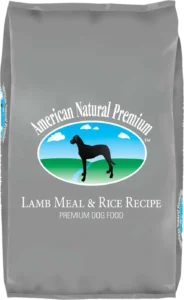
Lamb: Lamb has been successfully used for allergic dogs for decades, making it one of the most established alternative proteins. It provides complete amino acids with high biological value and is generally well-tolerated by dogs with chicken or beef allergies. American Natural Premium’s Lamb Meal & Rice Recipe offers high-quality lamb protein in a formula designed for sensitive dogs.
Lamb works particularly well because it’s less commonly used in standard dog foods and treats compared to chicken or beef, making it truly novel for many dogs. Its moderate fat content and rich nutrient profile support dogs of all activity levels.
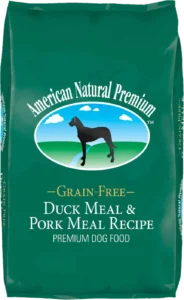
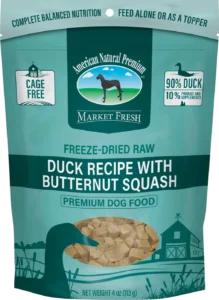
Duck: Duck provides an excellent novel protein option for dogs with poultry allergies who might still react to more common alternatives. Despite being poultry, duck is sufficiently different from chicken that many chicken-allergic dogs tolerate it well. Duck is naturally rich in omega fatty acids, supporting skin health while providing complete nutrition. American Natural Premium’s Duck Recipe with Butternut Squash combines these benefits in a hypoallergenic formula.
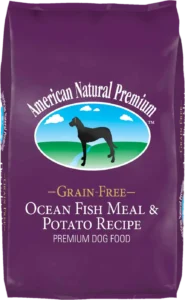
Fish (Salmon, Whitefish, Herring): Fish proteins are among the best options for dogs with multiple meat allergies. Highly digestible and completely unrelated to land-based proteins, fish rarely triggers cross-reactivity with chicken, beef, or lamb allergies. Additionally, fish provides anti-inflammatory omega-3 fatty acids that actively help reduce allergic inflammation. American Natural Premium’s Fish Recipe with Zucchini & Carrots offers these benefits while being gentle on sensitive digestive systems.
Venison: This game meat is rarely found in commercial dog foods, making it an excellent novel protein. Venison provides lean, high-quality protein with complete amino acids. Its novelty makes it particularly useful for dogs with multiple protein allergies.
Rabbit: Another game meat option, rabbit offers highly digestible protein that’s extremely uncommon in dog diets. Its lean profile and limited availability in treats and supplements make it truly novel for most dogs.
Kangaroo: While less readily available, kangaroo meat is one of the most hypoallergenic proteins available. Its extreme novelty and lean, nutritious profile make it valuable for dogs with extensive allergy histories.
Bison/Buffalo: These alternative red meats provide nutrition similar to beef but are sufficiently different that many beef-allergic dogs tolerate them. However, some cross-reactivity with beef can occur.
Proteins to Approach with Caution
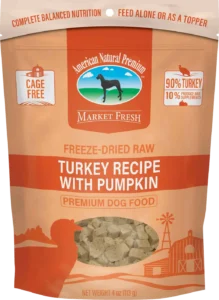
Turkey: While sometimes marketed as a novel protein, turkey shares significant protein similarities with chicken. Approximately 30-50% of chicken-allergic dogs also react to turkey due to cross-reactivity, making it a risky choice without careful testing.
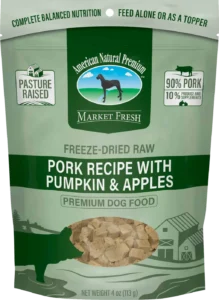
Pork: Increasingly common in dog foods, pork may no longer be truly novel for many dogs. Additionally, some dogs allergic to beef show cross-reactivity with pork.
Eggs: Though not meat, eggs are often included in meat discussions. Many chicken-allergic dogs tolerate eggs, but some experience cross-reactivity, requiring careful introduction.
Selecting Quality Meat Sources
Single Protein Formulas: Choose foods listing one identifiable meat source as the primary ingredient without multiple protein types that could confuse allergy identification.
Avoid Meat By-Products: Stick to named meat sources (lamb, duck, salmon) rather than generic terms like “poultry” or “meat meal” which could contain allergens.
Check All Ingredients: Even foods marketed as duck or lamb may contain chicken fat or beef flavoring. Read complete ingredient lists carefully.
Consider Protein Form: Some dogs react differently to fresh meat versus meal. Meal is more concentrated but can be better tolerated due to processing that may alter protein structures.
Supporting Dogs with Multiple Meat Allergies
For dogs with sensitivities to multiple proteins, American Natural Premium’s Sensitive Care provides carefully selected proteins with digestive support through probiotics and prebiotics. This comprehensive approach supports dogs with complex allergy profiles.
Making the Transition
When switching to new proteins, transition gradually over 10-14 days while monitoring for reactions. Allow 8-12 weeks on a novel protein before assessing whether it successfully manages allergies. Keep detailed records of proteins tried, reactions observed, and improvements noted to guide future decisions.
The best meat for your allergic dog is one they haven’t regularly consumed and that provides complete, balanced nutrition. Whether you choose lamb, duck, fish, or more exotic options like venison or rabbit, success lies in strict adherence to single-protein diets during elimination trials and careful monitoring for reactions. With patience and proper protein selection, most dogs with meat allergies can find safe, nutritious options that allow them to thrive.
The food behind the advice
Every recipe is made in Wisconsin with real meat and wholesome, market-fresh ingredients. Free shipping on orders over $50 in the lower 48, or pick a bag up from a shop near you.


