
Can Dogs Eat Expired Meat?
Many dog owners have found themselves in situations where they discover expired meat in their refrigerator and wonder if it’s safe to give to their canine companion rather than throwing it away. While dogs have historically been scavengers capable of eating carrion and spoiled food in the wild, the reality is that feeding expired meat to domestic dogs can pose serious health risks that far outweigh any potential benefits.
The Short Answer: No, Dogs Should Not Eat Expired Meat
Despite what you might think about dogs’ supposedly “stronger stomachs,” expired meat is not safe for dogs to consume. Domestic dogs have evolved alongside humans for thousands of years, and their digestive systems have adapted to cleaner, fresher food sources. While they may retain some ability to handle less-than-fresh food, they are still susceptible to food poisoning, bacterial infections, and other serious health complications from consuming spoiled meat.
The risks associated with feeding expired meat to dogs are significant and can lead to serious illness, expensive veterinary bills, and in severe cases, life-threatening conditions that require emergency medical intervention.
Understanding Meat Expiration and Spoilage
Expiration Dates vs. Spoilage: It’s important to understand that meat can become dangerous before its expiration date if stored improperly, while some meat might still be safe shortly after the expiration date if stored correctly. However, expiration dates are established as safety guidelines, and exceeding them increases the risk of bacterial growth and toxin production.
Bacterial Growth: As meat ages and spoils, harmful bacteria such as Salmonella, E. coli, Listeria, and Clostridium multiply rapidly. These bacteria can produce toxins that remain in the meat even if it’s cooked, making spoiled meat dangerous regardless of preparation method.
Temperature Danger Zone: Meat left at temperatures between 40-140°F (4-60°C) for extended periods becomes increasingly dangerous as bacteria multiply exponentially in this temperature range.
Visual and Olfactory Changes: Spoiled meat often shows obvious signs like discoloration, slimy texture, and foul odors, but dangerous bacteria can be present even before these obvious signs appear.
Health Risks of Expired Meat for Dogs
Food Poisoning: Dogs can experience food poisoning from expired meat, with symptoms including vomiting, diarrhea, lethargy, loss of appetite, and dehydration. Severe cases may require hospitalization and intensive veterinary care.
Bacterial Infections: Harmful bacteria in spoiled meat can cause serious infections that may affect various organ systems. Salmonella, for example, can cause severe gastroenteritis and may lead to systemic infection in some cases.
Toxin Exposure: Some bacteria produce toxins as they multiply in spoiled meat. These toxins can cause severe illness and may not be eliminated by cooking, making even cooked expired meat dangerous.
Digestive Complications: Spoiled meat can cause severe digestive upset, including bloody diarrhea, prolonged vomiting, and dehydration that may require emergency veterinary intervention.
Secondary Health Issues: Severe food poisoning can lead to complications such as dehydration, electrolyte imbalances, and secondary infections that can be life-threatening, particularly in young, elderly, or immunocompromised dogs.
Why Dogs Seem to Handle “Gross” Food Better
Many people believe dogs can eat anything because they observe dogs eating garbage, feces, or other unsavory items without apparent ill effects. However, there are important distinctions:
Evolutionary Adaptation: While dogs’ wild ancestors were scavengers, domestic dogs have been bred and fed clean diets for thousands of generations, making them less adapted to handling severely spoiled food.
Fresh vs. Spoiled Carrion: Wild canines typically consume fresh kills or recently deceased animals, not meat that has been sitting in warm conditions for days or weeks, which is more analogous to expired refrigerated meat.
Selective Eating: Wild dogs often have instinctual behaviors for avoiding extremely spoiled food, whereas domestic dogs may not exercise the same caution, especially when offered food by their trusted human companions.
Hidden Consequences: Dogs may sometimes appear to handle spoiled food without obvious immediate effects, but this doesn’t mean they haven’t suffered internal damage or won’t develop delayed symptoms.
Signs of Food Poisoning in Dogs
If a dog accidentally consumes expired meat, watch for these warning signs:
- Vomiting (especially repeated vomiting)
- Diarrhea, which may be bloody or watery
- Loss of appetite or refusal to eat
- Lethargy or unusual tiredness
- Excessive drooling
- Abdominal pain or sensitivity
- Dehydration (dry gums, loss of skin elasticity)
- Fever
- Rapid or labored breathing
If any of these symptoms appear after a dog has consumed expired meat, immediate veterinary attention is necessary. Food poisoning can escalate quickly, and early intervention often leads to better outcomes.
Safe Meat Handling for Dogs
Fresh, Quality Sources: When giving meat to dogs, always use fresh, high-quality meat from reputable sources. If the meat isn’t good enough for human consumption, it’s not appropriate for your dog either.
Proper Storage: Store raw meat at appropriate temperatures (below 40°F/4°C) and use it within recommended timeframes. Freeze meat if you won’t use it quickly.
Cooking Guidelines: When preparing meat for dogs, cook it thoroughly to eliminate potential bacteria. Avoid seasoning with garlic, onions, or excessive salt.
Safe Portions: Even fresh meat should be given in appropriate portions as part of a balanced diet, not as a primary food source unless you’re following a veterinarian-approved raw diet plan.
Better Alternatives for Canine Nutrition
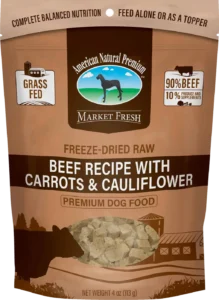
Rather than risking your dog’s health with questionable meat, focus on providing high-quality, balanced nutrition through reputable dog foods. American Natural Premium’s Original Recipe provides high-quality proteins from fresh, safely processed ingredients that ensure your dog receives optimal nutrition without the risks associated with expired or questionable meat sources.
For dogs with sensitive stomachs who might be more susceptible to digestive upset from any dietary indiscretion, American Natural Premium’s Sensitive Care offers easily digestible proteins and probiotics that support digestive health.
What to Do If Your Dog Eats Expired Meat
If your dog accidentally consumes expired meat:
- Remove Access: Immediately remove any remaining expired meat to prevent further consumption.
- Monitor Closely: Watch for symptoms of food poisoning over the next 12-24 hours.
- Provide Fresh Water: Ensure your dog has access to clean, fresh water to prevent dehydration.
- Contact Your Veterinarian: Call your vet for guidance, especially if your dog consumed a large amount or if the meat was severely spoiled.
- Seek Emergency Care: If symptoms develop, particularly vomiting, diarrhea, or lethargy, seek veterinary care immediately.
Prevention Strategies
Secure Garbage: Use secure garbage cans that dogs cannot access to prevent them from scavenging expired meat or other spoiled foods.
Proper Food Storage: Store all meat products securely and dispose of expired items immediately rather than leaving them accessible to curious dogs.
Education: Ensure all family members understand that expired meat should never be given to dogs, regardless of how “wasteful” disposal might seem.
Regular Feeding Schedule: Dogs on consistent feeding schedules with high-quality food are less likely to scavenge for alternative food sources.
Conclusion
While it might seem wasteful to throw away expired meat instead of giving it to your dog, the potential health consequences far outweigh any perceived benefits. Dogs’ digestive systems, while somewhat resilient, are not equipped to safely handle severely spoiled or expired meat that could contain dangerous bacteria and toxins. The risk of serious illness, expensive veterinary treatment, and potential long-term health complications makes it clear that expired meat should never be fed to dogs. Instead, focus on providing fresh, high-quality nutrition through properly stored fresh foods or reputable commercial dog foods that ensure your canine companion receives safe, balanced nutrition without unnecessary risks.
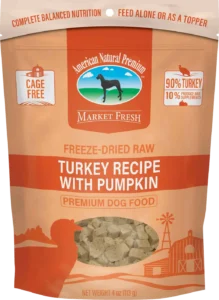
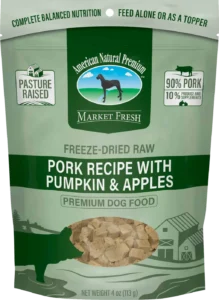
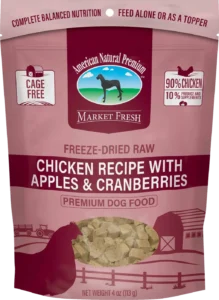
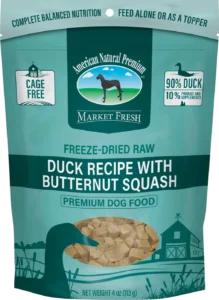
The food behind the advice
Every recipe is made in Wisconsin with real meat and wholesome, market-fresh ingredients. Free shipping on orders over $50 in the lower 48, or pick a bag up from a shop near you.


